Trump Claims Kim Responded to Outreach Amid Reduced US-South Korea Drills
Context mode is active. Hover over any highlighted term to see its definition. Click a nested term to go deeper.
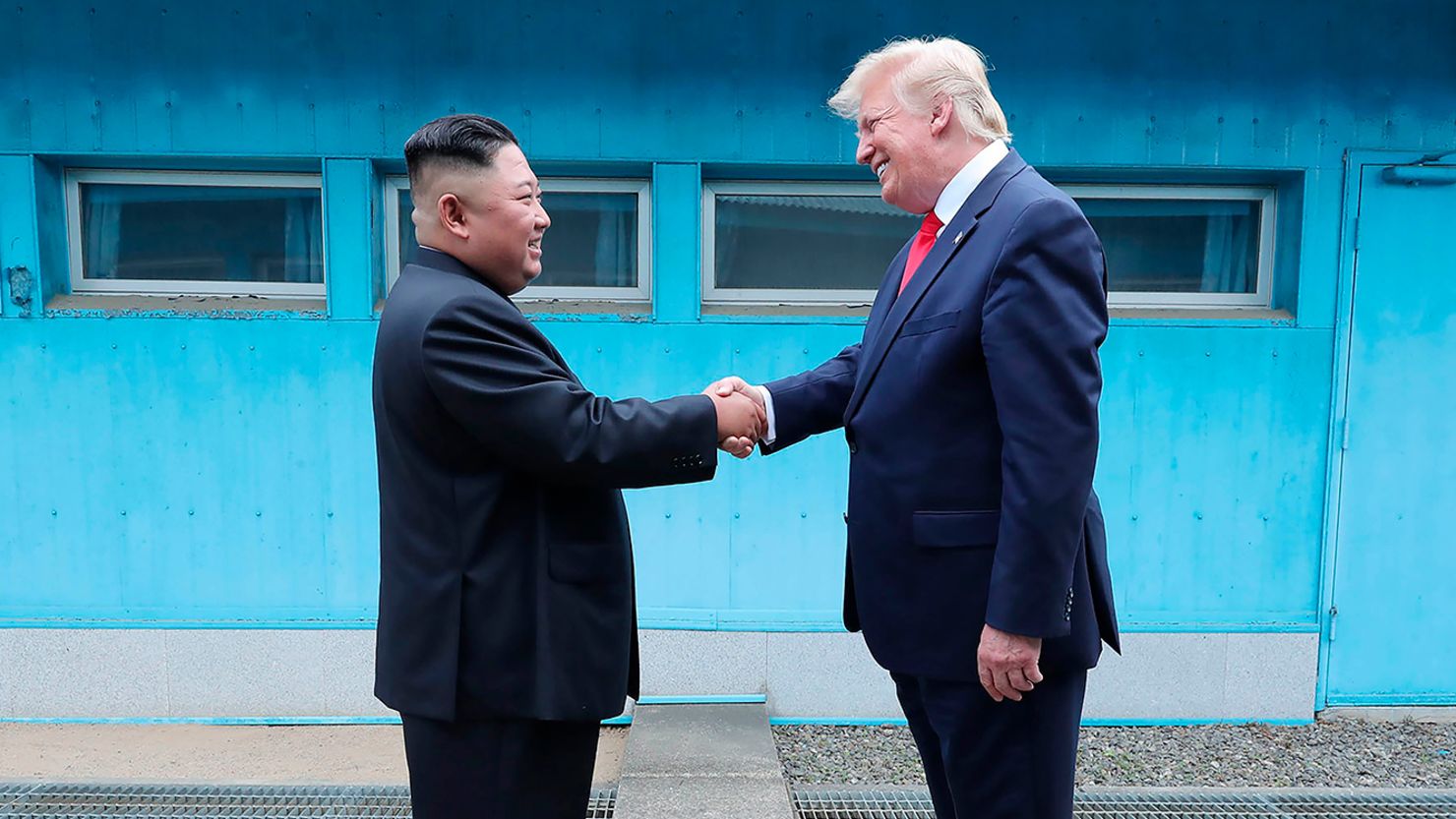
U.S. President Donald Trump recently asserted that North Korean leader Kim Jong Un has responded to his diplomatic outreach, labeling their ongoing conversations as 'very positive.' This comes just after Trump ordered a significant reduction in joint military exercises with South Korea, a move he linked directly to his 'very good relationship' with Kim. Despite Trump's claims from the Oval Office, Pyongyang has yet to publicly acknowledge any contact or confirm a response, leaving the international community watching closely for details. This development revives the highly personalized leader-to-leader diplomacy that marked Trump's previous term, despite past summits failing to yield concrete denuclearization agreements. The backdrop is increasingly complex: North Korea has ramped up its ballistic missile tests since 2024, including multiple launches in August 2026, often unacknowledged by state media. Furthermore, Pyongyang has significantly increased its military support for Russia in the ongoing Ukraine War, deploying troops and supplying munitions, which analysts suggest might be informing North Korea missile development. The decision to scale back the crucial US-South Korea drills, a long-standing point of contention for North Korea, signals a potential shift in regional security dynamics. While Trump believes this fosters a more 'unthreatening and respectful' environment, critics warn it could embolden Pyongyang and undermine alliances. The key question now is whether this unconfirmed 'response' will pave the way for a genuine de-escalation or merely serve as another tactical maneuver in North Korea long game of pressure and dialogue without tangible steps toward denuclearization.