El Niño Threat Looms: Gujarat Could See Below-Normal Rainfall As New Forecast Raises Concerns
Context mode is active. Hover over any highlighted term to see its definition. Click a nested term to go deeper.
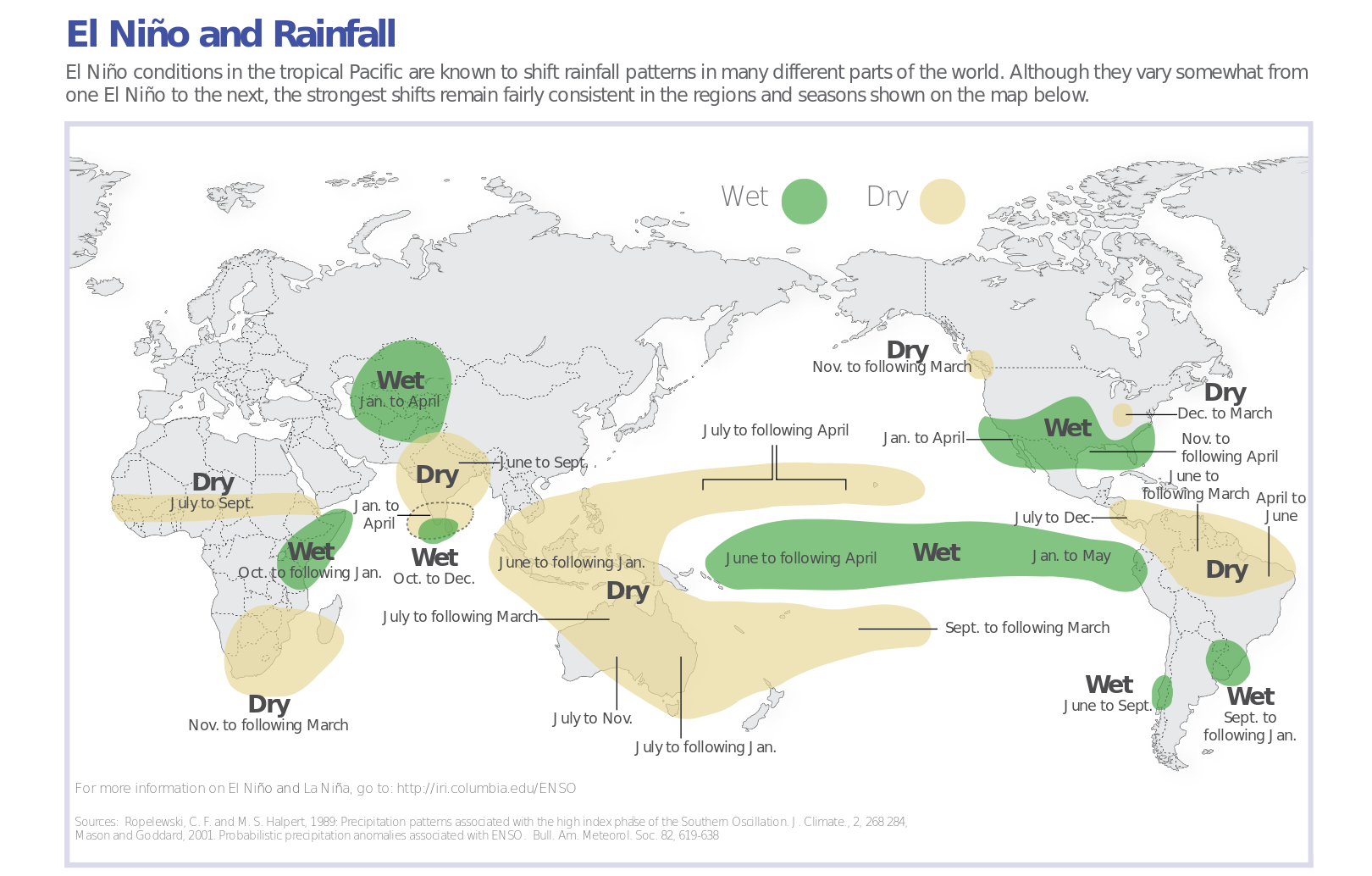
India is bracing for its most challenging monsoon season in over a decade as El Niño conditions intensify, with the India Meteorological Department (IMD) officially confirming the warming phenomenon and forecasting below-normal rainfall at 90% of the Long Period Average for June-September 2026. This dire outlook, corroborated by the European Union's Copernicus Climate Change Service (C3S), explicitly singles out western and central India, including the agriculturally vital state of Gujarat, for significant rainfall deficits that could exceed 100-200mm. The immediate impact threatens to derail the crucial kharif crop sowing and potentially trigger widespread agricultural distress. The stakes couldn't be higher: a weak monsoon historically fuels food inflation and can severely contract India's agricultural GDP, which still underpins nearly half the nation's employment. Compounding the domestic weather crisis, global fertilizer supply chains remain strained by geopolitical disruptions like the ongoing US-Iran conflict affecting the Strait of Hormuz, pushing up input costs for farmers at the worst possible time. While neutral Indian Ocean Dipole conditions offer no offsetting relief, the Union Ministry of Agriculture and Farmers Welfare has activated 'crisis mode,' fast-tracking updated contingency plans for 150-200 vulnerable districts to promote drought-tolerant crops and efficient water management. As June progresses and kharif sowing intensifies, policymakers and farmers alike will be watching for signs of El Niño's strength and the monsoon's erratic progression, particularly in August and September when shortfalls are expected to become most pronounced. The government's immediate focus will be the swift implementation of localized contingency measures, distribution of alternative seed varieties, and continuous monitoring of reservoir levels to mitigate potential agricultural losses and avert a broader economic slowdown in the face of this 'Godzilla El Niño' threat. The resilience of India's rural economy will hinge on these adaptive strategies, as climate variability transitions from an exception to the new norm.