Europe and China Are Launching a New Spacecraft That Will Fly 121,000 Kilometers Above Earth to Study Solar Storms - The Daily Galaxy
Context mode is active. Hover over any highlighted term to see its definition. Click a nested term to go deeper.
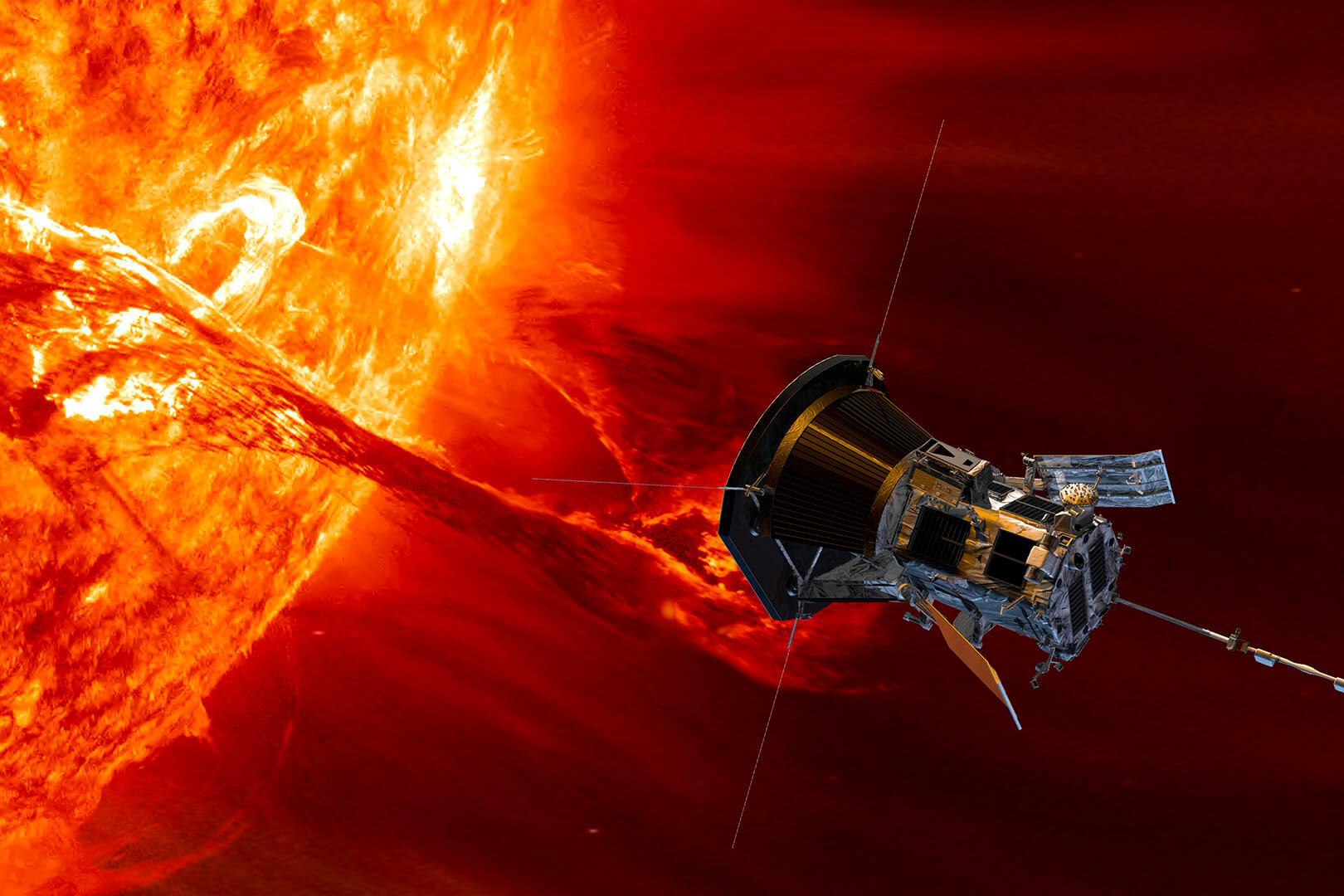
A joint European Space Agency (ESA) and Chinese Academy of Sciences (CAS) mission, known as SMILE (Solar wind Magnetosphere Ionosphere Link Explorer), is set to launch. This collaborative spacecraft will orbit approximately 121,000 kilometers above Earth to conduct extensive studies on solar storms and their intricate interactions with Earth's protective magnetic shield, aiming to significantly enhance capabilities in space weather prediction. The launch vehicle for this ambitious scientific endeavor will be the European Vega C rocket. This mission represents a crucial scientific undertaking to understand and potentially mitigate the profound and potentially catastrophic effects of solar storms on critical terrestrial infrastructure, ranging from global power grids to essential satellite communication networks. Furthermore, the collaboration itself is highly significant, showcasing a pragmatic instance of advanced space collaboration between Europe and China amidst a broader geopolitical landscape often characterized by intense competition rather than unified efforts, suggesting a shared recognition of common threats that transcend political divergences.