Why is the EU establishing return hubs for migrants — and why are they so controversial?
Context mode is active. Hover over any highlighted term to see its definition. Click a nested term to go deeper.
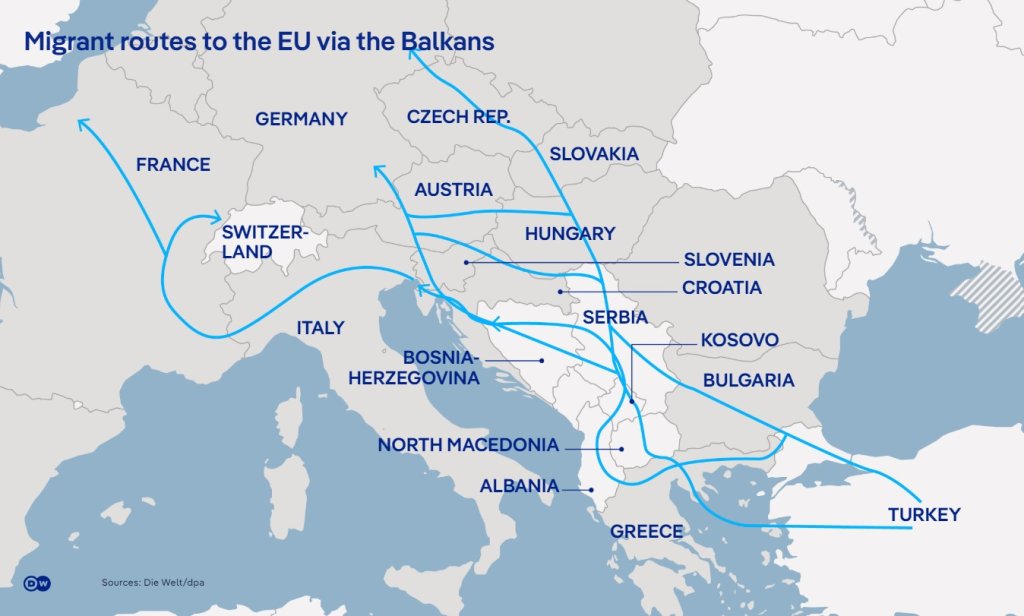
The European Union is gearing up for a contentious new era of migration management following Monday's landmark approval of legislation allowing member states to establish "return hubs" for migrants outside the bloc. This radical policy shift aims to streamline the repatriation of individuals deemed ineligible for asylum, but immediately sparked fierce condemnation from human rights advocates who warn of potential legal black holes and human rights abuses. The impetus for these External Processing Centers stems from years of EU struggle with managing irregular migration flows, fueled by political pressure from right-leaning governments and a desire to externalize border control. While proponents argue it will deter perilous journeys and ease pressure on frontline EU Member States, critics like the UNHCR point to the inherent risks of processing asylum claims in Third Countries with questionable human rights records, fearing a de facto outsourcing of obligations under the Non-refoulement Principle. This move also echoes, but significantly expands upon, past controversial agreements like the 2016 EU-Turkey deal. The immediate challenge for the European Commission and individual EU Member States now shifts to identifying and securing agreements with these Third Countries willing to host the facilities. Expect intense diplomatic negotiations, likely targeting North African and Western Balkan nations, coupled with escalating legal challenges from civil society organizations. The coming months will test the political will behind this pact and reveal the true human cost of its implementation, potentially redefining the global architecture of refugee protection.