India's Youngest Activists: Gen Alpha & Gen Z Drive Sweeping Change Across States
Context mode is active. Hover over any highlighted term to see its definition. Click a nested term to go deeper.
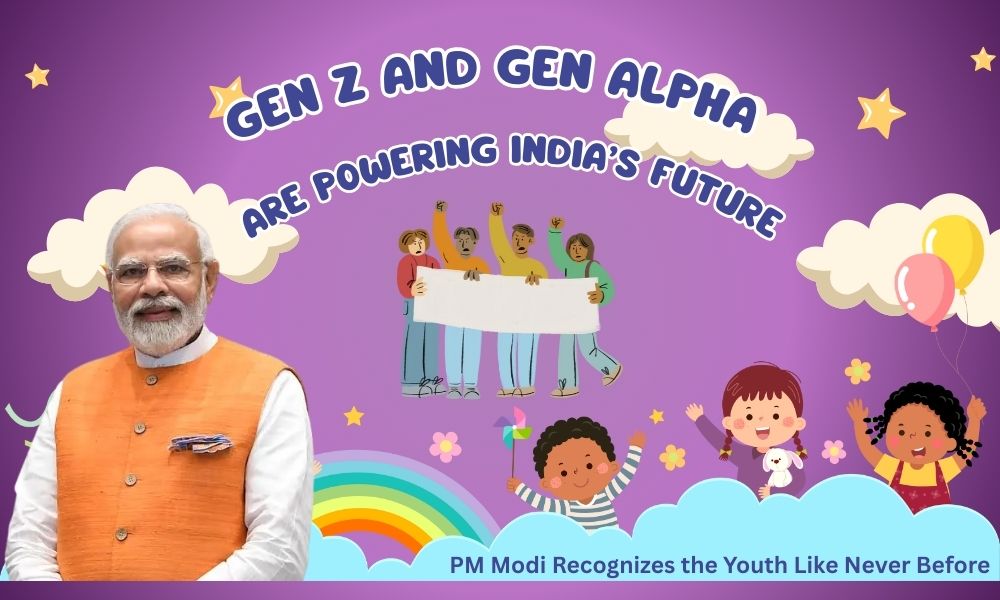
Across Uttarakhand, Uttar Pradesh, and Madhya Pradesh, India's youngest generations, Gen Alpha and Gen Z, are taking to the streets, forcing immediate administrative action on issues from abysmal school facilities to bus fare hikes. In a significant win, students at an Eklavya Residential School in Khatima, Uttarakhand, staged a three-day sit-in over poor food and sanitation, leading directly to the principal's suspension and an official inquiry. Simultaneously, schoolgirls in Vidisha, Madhya Pradesh, successfully protested recent bus fare increases, securing assurances from local administration for a review with private operators. These seemingly local victories are part of a larger, evolving story of youth activism in India, echoing the widespread Gen Z-led Jantar Mantar protests earlier this year that demanded accountability for the NEET paper leak and ultimately led to a Union minister's resignation. What's compelling is how Gen Alpha, too young to vote, is learning from their slightly older counterparts, leveraging social media and direct action to demand basic civic amenities and systemic reform. From viral videos exposing sub-standard mid-day meals in Hardoi, Uttar Pradesh, which prompted immediate teacher suspensions, to students in Hamirpur marching with the Tricolor to the Collectorate for a long-awaited school road, this wave of activism highlights a new era of grassroots accountability. The immediate aftermath suggests authorities are feeling the heat, with quick actions taken to address student grievances. Going forward, the sustained pressure from these young activists could shape policy implementation and local governance, compelling officials to be more responsive. The blend of digital savvy and traditional street protest from Gen Alpha and Gen Z signals a powerful, emerging force that India's political and administrative structures will increasingly need to contend with, potentially driving more transparent and equitable service delivery across the nation.