Secret Channels Exposed: Iran Influenced US Deportations Amidst War and Travel Bans
Context mode is active. Hover over any highlighted term to see its definition. Click a nested term to go deeper.
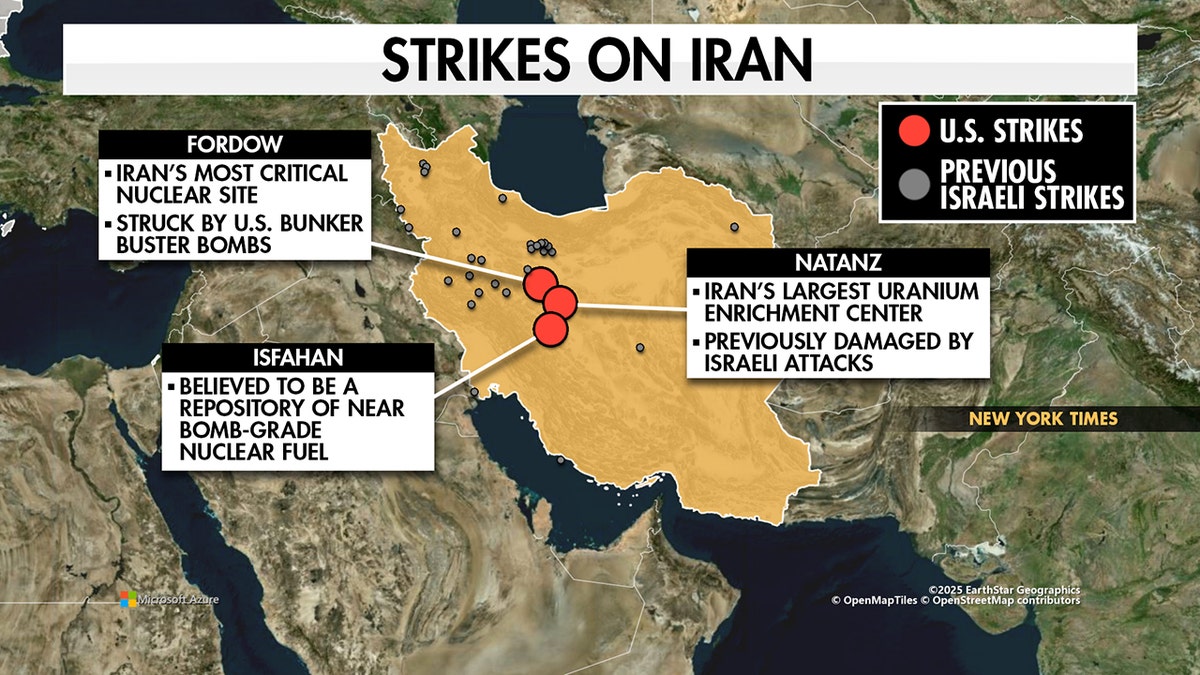
Newly released emails from 2025 and early 2026 reveal a startling secret: US immigration officials quietly let Iran's government influence which of its citizens were sent back home, even as tensions flared between the two nations, including a brief war. Hundreds of internal emails, made public by the National Iranian American Council, show U.S. Immigration and Customs Enforcement (ICE) officials actively coordinated with Iran's embassy, accepting last-minute requests to add or remove individuals from deportation manifests. This hidden cooperation casts a long shadow over the Trump administration hardline stance against Iran, especially given that some of these deportation plans unfolded during a deadly 12-day conflict between the U.S., Israel, and Iran in June 2025. The revelations are particularly sensitive as the U.S. had, at the same time, enacted sweeping travel ban and severe immigration restrictions against Iranian nationals, making it incredibly difficult for them to enter or remain in the United States. Critics now question whether sensitive asylum claims were compromised and if individuals faced danger upon return, with one lawsuit alleging that U.S. immigration agencies illegally shared confidential asylum information with the Iranian government. The implications of these disclosures are far-reaching, potentially fueling ongoing legal challenges and investigations into how these decisions were made and who ultimately benefited. The Department of Homeland Security has denied allegations of improperly sharing asylum information. As calls for greater transparency grow, expect scrutiny to intensify on immigration policies and the often-opaque channels through which international deportations are managed, especially concerning countries with strained diplomatic ties and significant human rights concerns. It remains unclear how these revelations will impact current US-Iran negotiations, which continued through 2025 and 2026.