Everest's 'Green Boots' Identified, India Plans Perilous Recovery Mission
Context mode is active. Hover over any highlighted term to see its definition. Click a nested term to go deeper.
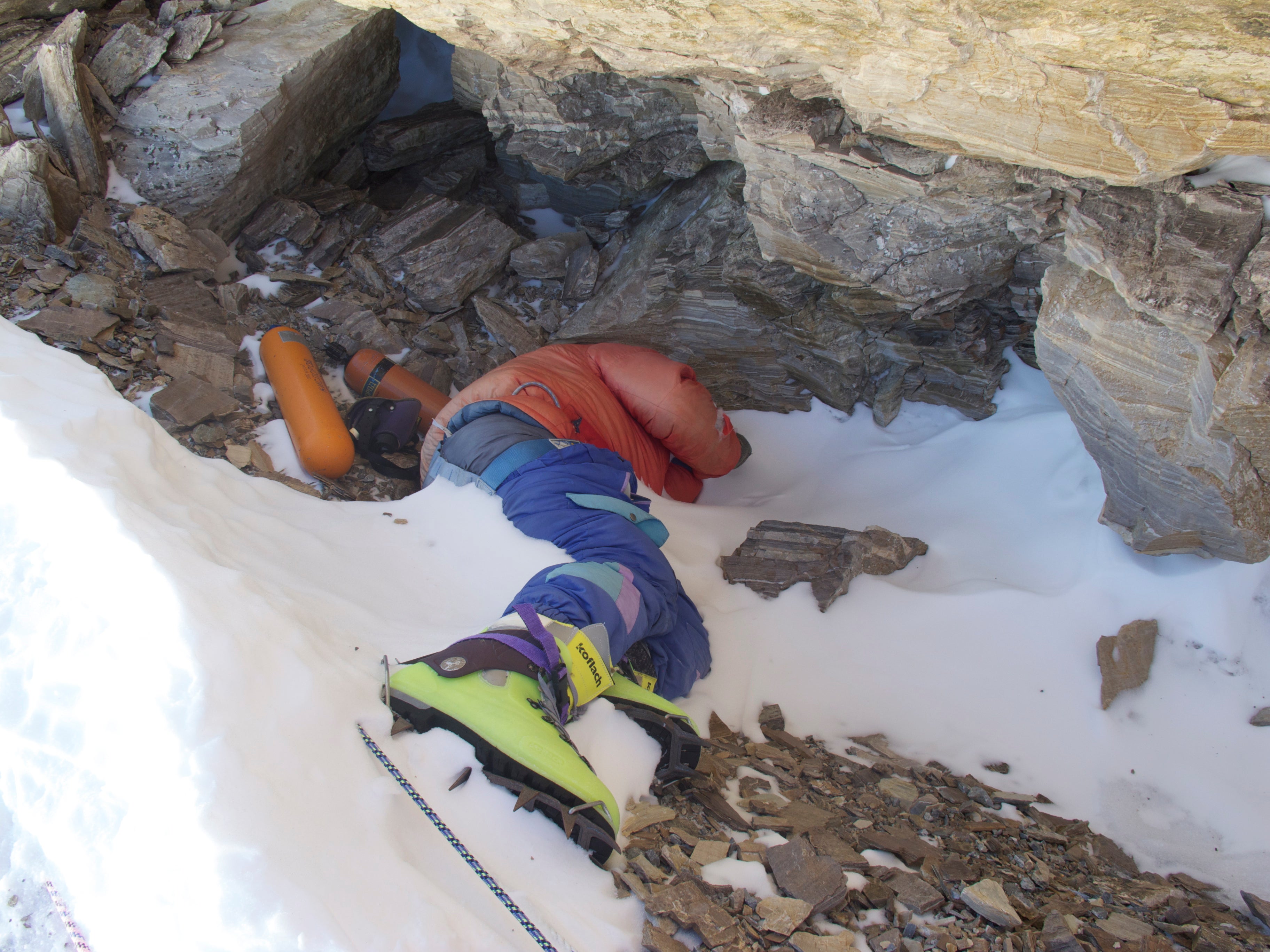
After nearly three decades, the frozen body known as 'Green Boots', a grim landmark for climbers on Mount Everest, has been officially identified through DNA testing as Lance Naik Dorje Morup, an Indian soldier who perished in the devastating 1996 Everest disaster. The Indian government's Indo-Tibetan Border Police (ITBP), to which Morup belonged, has now launched a high-risk mission to finally bring his remains home. This significant development aims to provide long-awaited closure for his family, who have endured nearly 30 years of uncertainty. For years, 'Green Boots' was mistakenly believed to be Tsewang Paljor, another Indian climber from the same ill-fated 1996 expedition, identified by his distinctive lime-green Koflach mountaineering boots. Morup's body lies at an unforgiving 8,500 meters on the mountain's North Face, deep within the notorious 'Death Zone' where oxygen is dangerously thin and temperatures plummet below -40°C. Retrieving a body from such extreme conditions is incredibly dangerous and complex, often costing upwards of $100,000 per operation, pushing the limits of high-altitude climbing and Sherpa expertise. The ITBP ambitious plan involves hiring elite Sherpas for the perilous extraction, navigating stringent permitting processes with Chinese authorities who govern the North Face, and delivering Morup's body to Delhi by October 2026. This mission reignites crucial discussions around mountaineering ethics and the immense emotional and financial burden on families seeking to recover loved ones from Everest. As recent fatalities on the mountain in May 2026 remind us of Everest's brutal nature, this recovery effort stands as a poignant testament to the enduring human desire for closure against the world's most formidable peak.