House NDAA draft would limit Trump's troop cuts, battleship plans
Context mode is active. Hover over any highlighted term to see its definition. Click a nested term to go deeper.
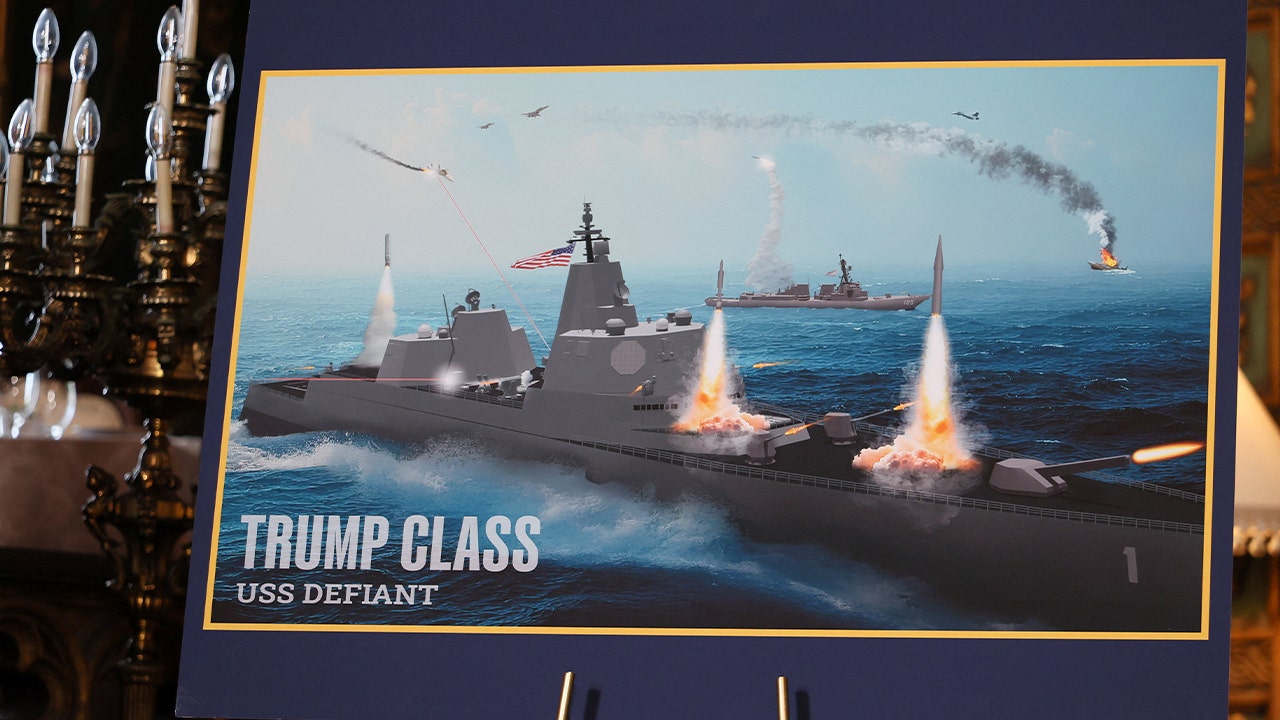
House Republicans fired a preemptive legislative shot at a potential future Trump presidency this week, embedding provisions in the draft FY2027 National Defense Authorization Act (NDAA) that would sharply limit troop withdrawals from Europe and South Korea, while also slamming the brakes on a proposed "Trump-class" battleship program. This bold move, unveiled on Tuesday, underscores congressional determination to rein in executive power over defense policy and strategic force posture, reflecting lessons learned from past administrations' unilateral actions. The legislation directly addresses concerns stemming from former President Trump's previous threats and attempts to significantly redeploy US forces from key allied nations, often straining critical alliances like NATO and the US-Republic of Korea mutual defense treaty. Simultaneously, the NDAA skepticism towards an unproven battleship design highlights ongoing debates within the Navy and Congress about the future of naval power, balancing calls for a larger fleet with the practicalities of advanced technology integration and cost-efficiency. This pits the legislature's strategic vision against a potential executive's more radical defense agenda. The draft NDAA now heads into committee markups, setting the stage for an intense legislative battle through the summer, likely culminating in a veto threat if the provisions remain in a final bill under a future Trump administration. Observers will be watching how these measures are debated and potentially diluted, but their inclusion signals a clear intent by Congress to assert its role in shaping US global military commitments and the costly trajectory of naval modernization. The question remains: can Congress effectively legislate against a president's strategic impulses?