India-Oman CEPA Becomes Strategic Hedge Against Strait Of Hormuz-Related Vulnerabilities
Context mode is active. Hover over any highlighted term to see its definition. Click a nested term to go deeper.
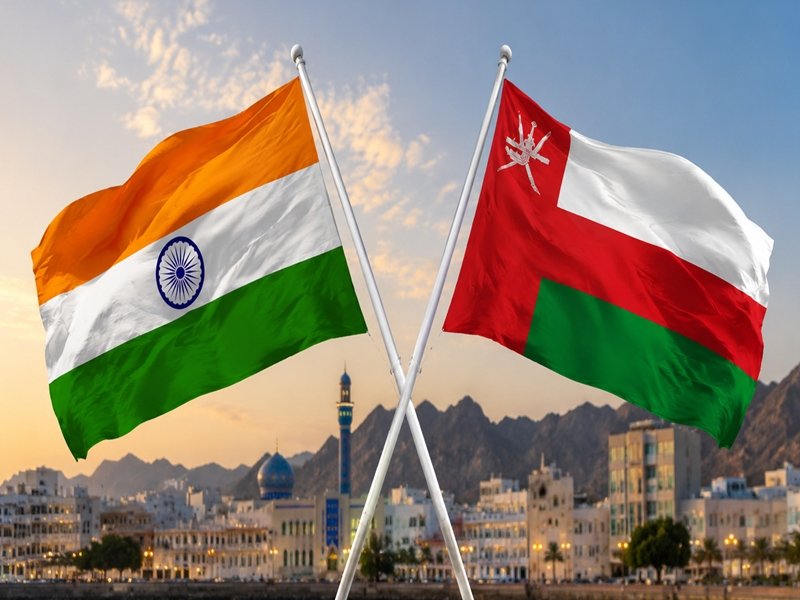
New Delhi has strategically operationalized the Comprehensive Economic Partnership Agreement (CEPA) with Oman, an accord now emerging as a critical hedge against India's persistent energy vulnerabilities stemming from the Strait of Hormuz. Beyond bolstering bilateral trade, the pact fundamentally reorients New Delhi's logistical calculus, offering alternative maritime pathways and port access crucial for safeguarding its energy supply chains amidst escalating regional instability. The timing is hardly coincidental; mounting maritime insecurity, particularly the recent surge in Houthi attacks in the Red Sea and the lingering specter of disruption to the Suez Canal, has underscored the fragility of established global shipping routes. India, heavily reliant on crude oil and LNG imports traversing these choke points, is keen to diversify its options. The CEPA, coupled with potential Indian investments in Omani infrastructure like the deepwater Duqm Port, provides a tangible strategic asset to mitigate these geopolitical risk, offering a more resilient conduit for energy and goods. Looking ahead, the CEPA's full potential hinges on accelerated infrastructure development and enhanced logistical coordination, especially around Oman non-Strait of Hormuz-facing ports. This move signals a significant pivot in India's West Asia Policy, emphasizing resilient supply chain networks over traditional transit routes, and could inspire similar bilateral agreements as nations globally grapple with increasingly volatile maritime commerce. Watch for increased joint ventures and port utilization metrics as key indicators of its efficacy.