US Rents Dip: Homeland Security Cites Deportations Amid Wider Market Shifts
Context mode is active. Hover over any highlighted term to see its definition. Click a nested term to go deeper.
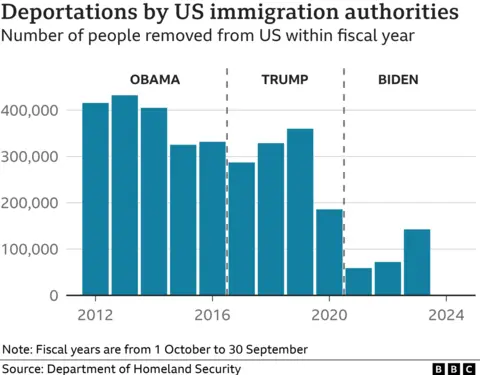
The Department of Homeland Security (DHS) has claimed that its intensified immigration enforcement activities, particularly in states cooperating with Immigration and Customs Enforcement (ICE), are directly contributing to falling US rent prices. The agency, via social media, highlighted significant rent drops in cities like Miami, Phoenix, and especially in Texas, attributing these declines to reduced 'illegal-worker inflows' and increased deportations under the Trump administration. This assertion frames a controversial link between immigration policy and the nation's housing affordability crisis. However, this narrative diverges sharply from broader market analyses by real estate platforms and academic institutions, which point to a more complex interplay of economic forces. Many experts suggest that the recent moderation or decline in rents, a trend observed since mid-2023, is primarily driven by an increased supply of new multifamily housing units and a cooling of overall housing demand. Factors like high mortgage rates, general economic uncertainty, and a weaker job market have made homeownership less accessible, subtly shifting market dynamics for renters even before the recent immigration policy push. Looking ahead, while the Trump administration continues to double down on linking immigration enforcement to economic benefits, the housing market will likely navigate a confluence of factors. Experts are watching whether the pace of new construction can keep up with underlying demand, if interest rates stabilize, and how broader economic indicators influence consumer confidence. The debate over what truly drives housing costs, be it policy or market fundamentals, is set to intensify, directly impacting millions of cost-burdened households across the nation.