Trump says he may speak with Taiwan’s Lai despite no concrete plans in place
)
Context mode is active. Hover over any highlighted term to see its definition. Click a nested term to go deeper.
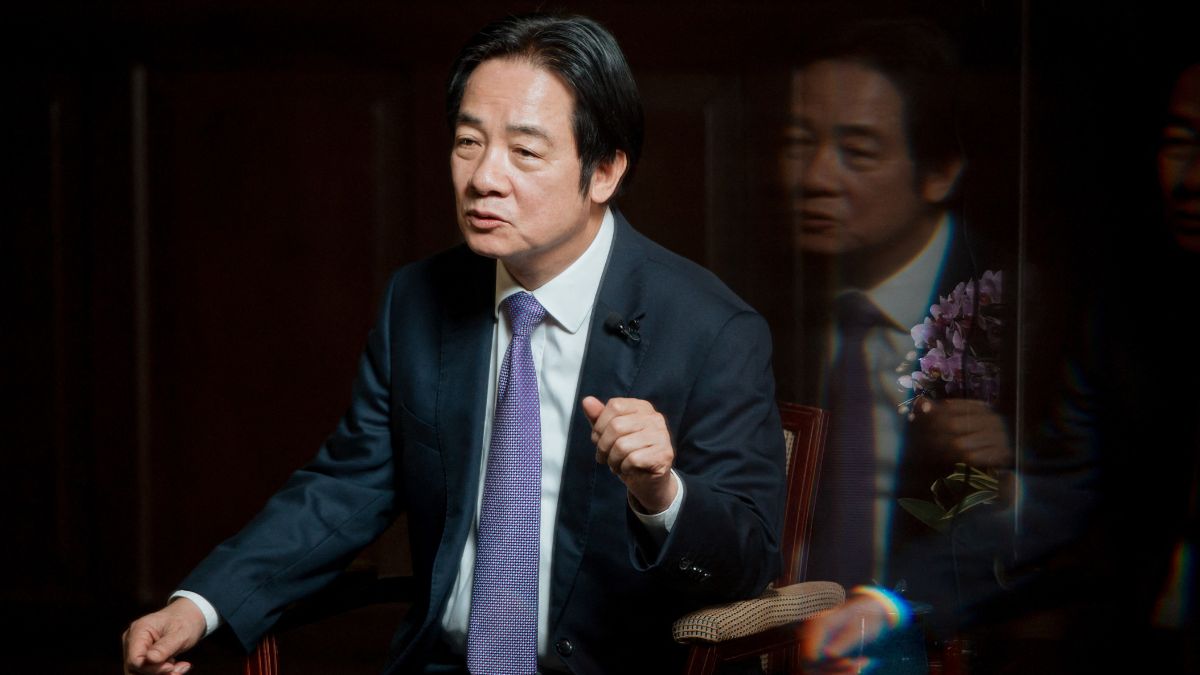
Former US President Donald Trump recently articulated a willingness to potentially engage with Taiwanese President Lai Ching-te, despite explicitly stating that no concrete plans for such a meeting are currently in place. This hypothetical outreach immediately sent ripples through diplomatic circles, especially given Beijing's firm warnings against any official US signals that could be construed as supporting Taiwan’s independence. The prospect emerges amidst an already fractious landscape of US-China relations, where the self-governing island of Taiwan remains a deeply sensitive flashpoint, continually testing the delicate balance of strategic ambiguity. Such a high-profile potential interaction carries immense geopolitical weight, directly challenging China entrenched "One China" principle, which regards Taiwan as an inalienable province destined for reunification, by force if necessary. Any perceived shift towards formalizing high-level US-Taiwan contact risks triggering severe retaliatory measures from Beijing, ranging from escalated military drills in the Taiwan Strait to enhanced economic coercion targeting Taiwan. The global macroeconomic environment, already grappling with supply chain vulnerabilities post-pandemic, particularly in the critical semiconductor industry where Taiwan is a dominant player, could face significant disruption. Escalation in cross-strait tensions would not only jeopardize global trade and investment flows but also force multinational corporations to recalibrate their operational footprints across the Indo-Pacific, underscoring the precarious equilibrium in a region vital for global stability and technological advancement.