Ukraine launches drone blitz on St Petersburg after Putin snubs Zelensky's call for face-to-face talks to end war
Context mode is active. Hover over any highlighted term to see its definition. Click a nested term to go deeper.
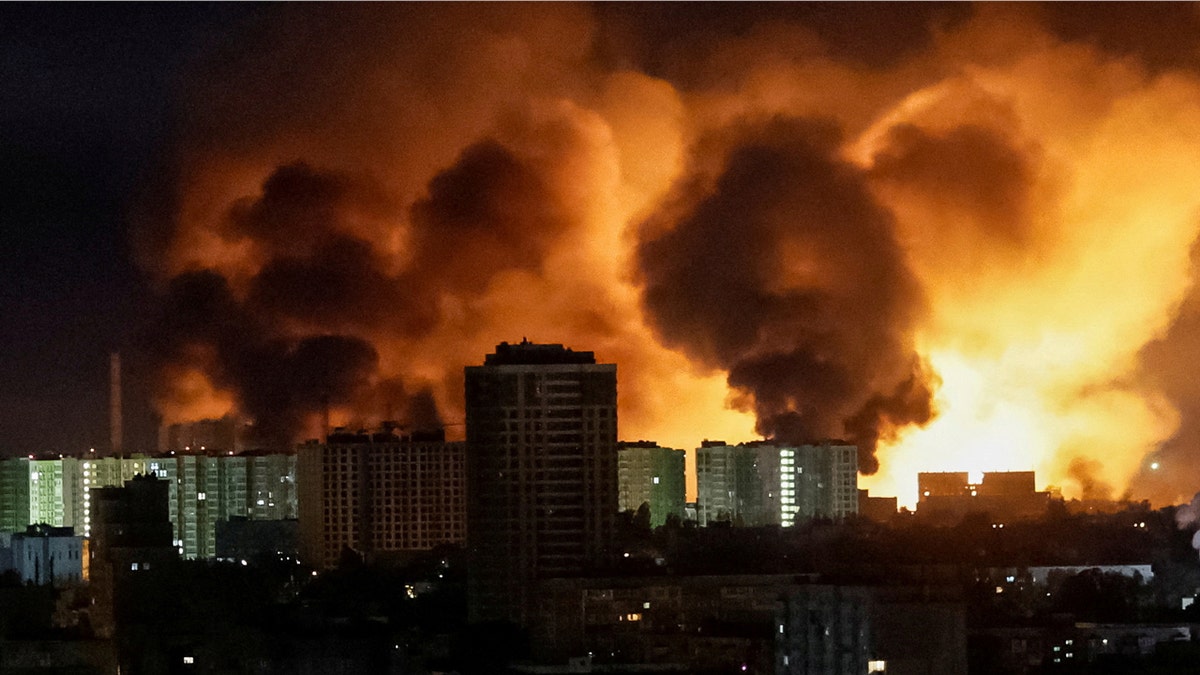
Ukraine has unleashed an unprecedented drone blitz on St. Petersburg, Russia strategic second city, just hours after President Vladimir Putin publicly dismissed Ukrainian President Volodymyr Zelensky latest overture for face-to-face negotiations to end the protracted war. The audacious strikes, which prompted warnings of mobile internet service disruption and urged residents indoors from Governor Alexander Beglov, signal a dramatic escalation in Kyiv's strategy to bring the conflict's cost directly to Russia heartland, challenging Moscow's perceived invulnerability. The attacks underscore a dangerous pivot in the 28-month conflict, coming amidst a backdrop of stalled front lines and increasingly desperate diplomatic efforts. Zelensky's repeated calls for direct talks have been consistently rebuffed by the Kremlin, which maintains that 'new realities' – referring to Russia illegal annexation of Ukrainian territories – must be accepted as a precondition for any dialogue. This latest drone offensive, striking deep within Russian territory, appears to be a direct response to Putin's steadfast refusal to engage, highlighting Ukraine growing capacity for long-range drone operations and its willingness to intensify pressure on the Russian populace and infrastructure. Looking ahead, the drone blitz on St. Petersburg is likely to trigger immediate, robust Russian retaliation, potentially involving intensified missile and drone strikes against Ukrainian cities and critical infrastructure. The incident further diminishes any immediate prospect of a negotiated settlement, instead pushing both nations deeper into a cycle of escalation with unpredictable geopolitical ramifications. Observers will be watching for Moscow's specific response and how Kyiv's Western allies react to this significant broadening of the conflict's geographical scope.