Medvedev Warns Iran's 'Thermonuclear' Straits Threaten Global Oil Lifeline
Context mode is active. Hover over any highlighted term to see its definition. Click a nested term to go deeper.
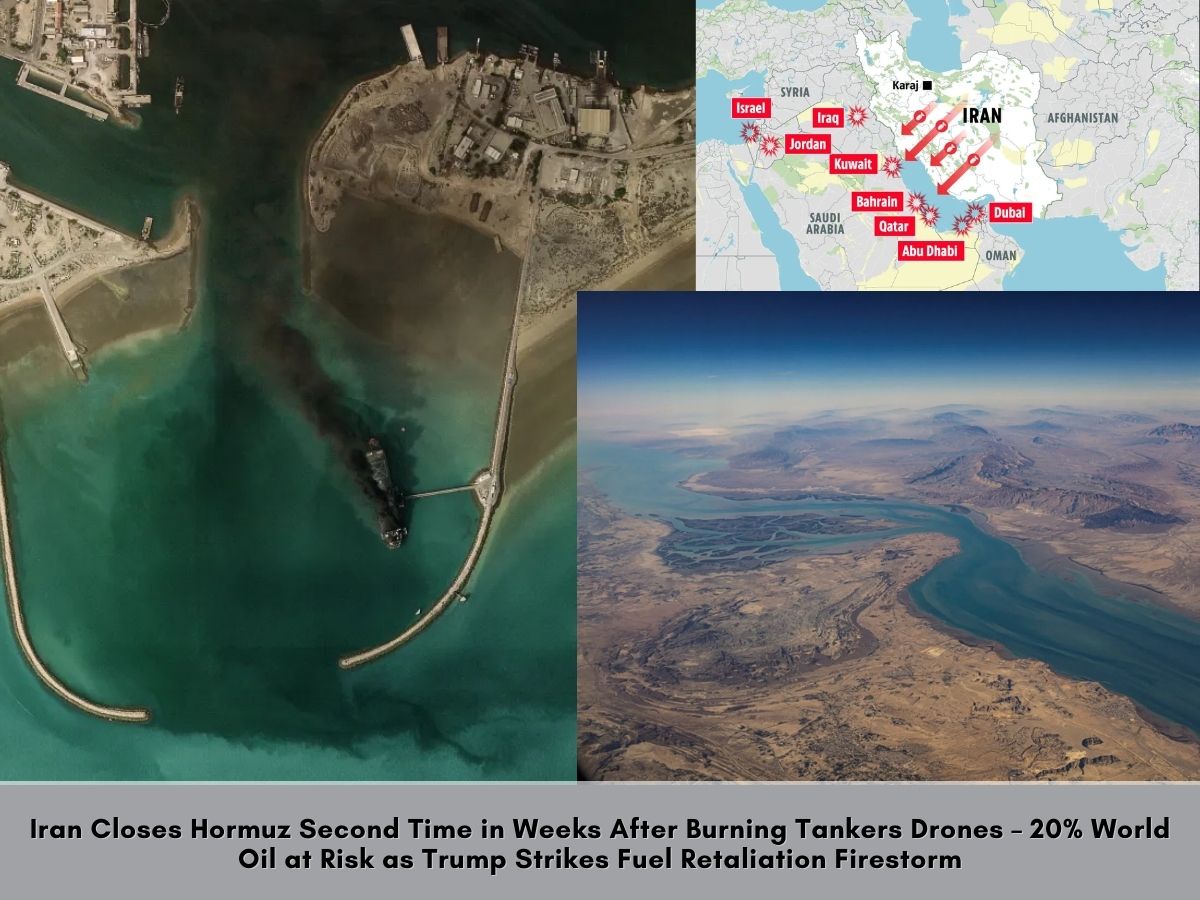
Dmitry Medvedev, a key ally of Russian President Vladimir Putin, has delivered a chilling warning that Iran control over vital maritime chokepoints, particularly the Bab el-Mandeb Strait, could effectively act as a 'thermonuclear weapon,' capable of choking global oil shipments and commercial traffic. Speaking on July 4, 2026, after attending the funeral of Iran late Supreme Leader Ali Khamenei in Tehran, Medvedev asserted that the Strait of Hormuz already serves as a 'nuclear weapon' for Iran, having demonstrated its power by disrupting shipping during recent conflicts, and that Bab el-Mandeb offers an even more potent 'thermonuclear option' in reserve. This explosive rhetoric comes amidst heightened regional tensions, including recent US strikes on Iran that Medvedev slammed as 'unprovoked' and undermining international law, occurring even as US-Iran negotiations were reportedly underway. Iran, under the leadership of President Masoud Pezeshkian, has already shown a willingness to assert its control, using threats and force to dictate commercial shipping routes in the Strait of Hormuz and even attacking vessels attempting alternative passages. The ongoing 'war in Iran' has already triggered what many describe as the 'world's worst energy shock,' causing massive price spikes and exposing severe vulnerabilities in global energy markets. The potential for a dual closure of both the Strait of Hormuz and Bab el-Mandeb is a severe concern, threatening to block up to 25 percent of global oil and gas supply and approximately 30 percent of worldwide container shipping. International powers are closely monitoring the situation, with calls for diplomatic resolution amidst a fragile US-Iran memorandum of understanding, which Medvedev warned would be 'extremely difficult' to solidify, especially regarding sanctions relief. The world watches anxiously as Iran strategic leverage over these critical waterways could unleash unprecedented economic chaos.