Iran plans three-day funeral for late supreme leader Ali Khamenei
Context mode is active. Hover over any highlighted term to see its definition. Click a nested term to go deeper.
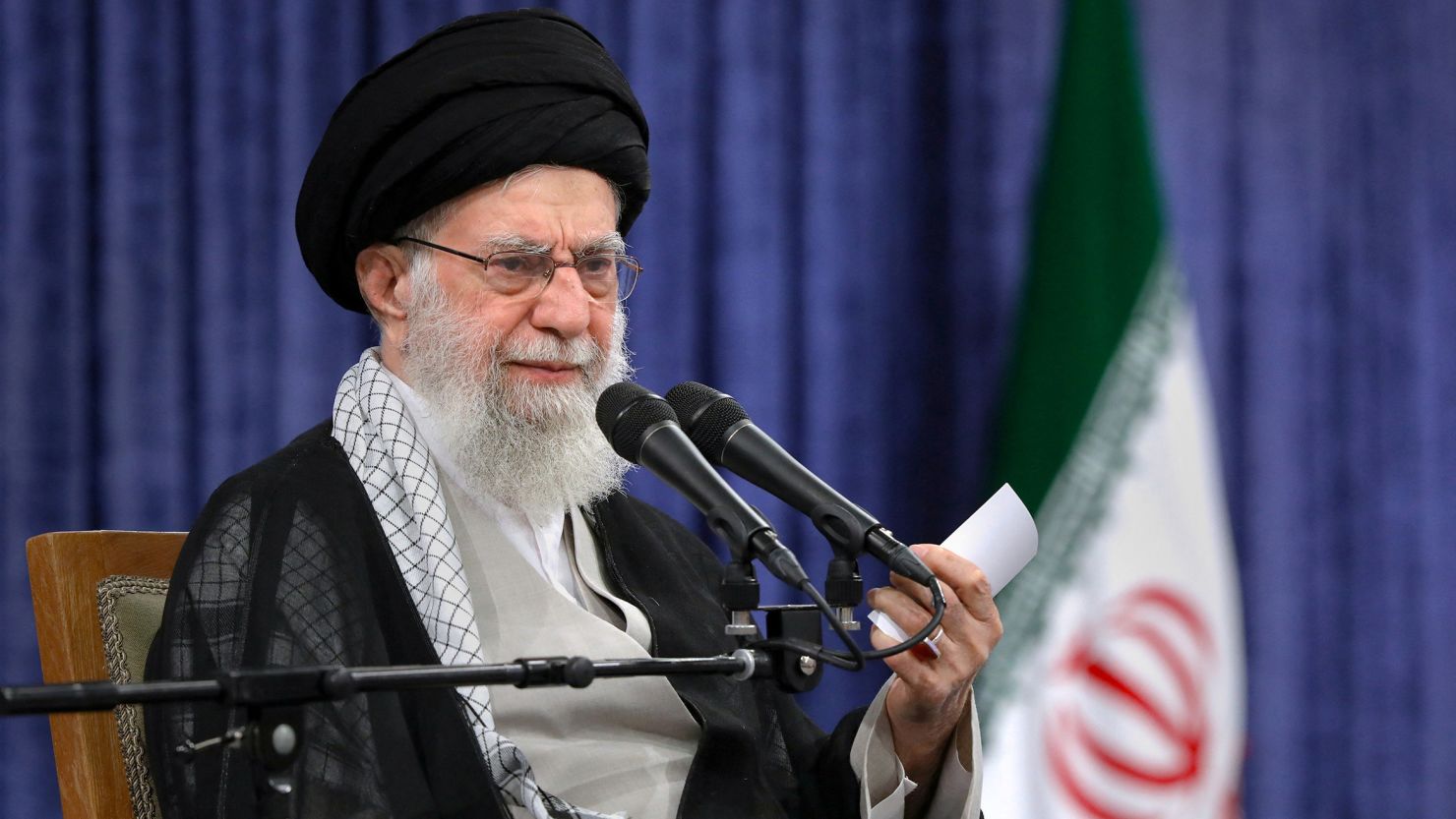
Tehran announced a three-day state funeral for Supreme Leader Ali Khamenei, who reportedly perished in US-Israeli strikes marking the first day of the unfolding Middle East war. This unprecedented event plunges Iran into immediate leadership uncertainty, igniting a high-stakes succession crisis that promises to reverberate across the already volatile region. The swift escalation challenges long-held geopolitical equilibria. Khamenei's sudden demise, after more than three decades at the helm, leaves a profound power vacuum within Iran intricate political and clerical establishment. His death comes amidst initial reports of widespread US-Israeli military operations targeting Iranian strategic assets and proxies, signaling a dramatic expansion of hostilities. The immediate challenge for Iran ruling elite, particularly the Assembly of Experts and the Islamic Revolutionary Guard Corps (IRGC), is to navigate this crisis while facing external military pressure and potential internal dissent. The funeral preparations, while a somber national moment, will be overshadowed by intense internal deliberations for a successor. The Assembly of Experts is expected to convene urgently, potentially appointing an interim leader, even as the "Middle East war" escalates. The world watches for signals from Tehran on how it intends to respond to Khamenei's killing and the ongoing conflict, with heightened concerns over regional proxies like Hezbollah and the security of critical shipping lanes such as the Strait of Hormuz.