Why did Trump postpone signing an AI executive order?
Context mode is active. Hover over any highlighted term to see its definition. Click a nested term to go deeper.
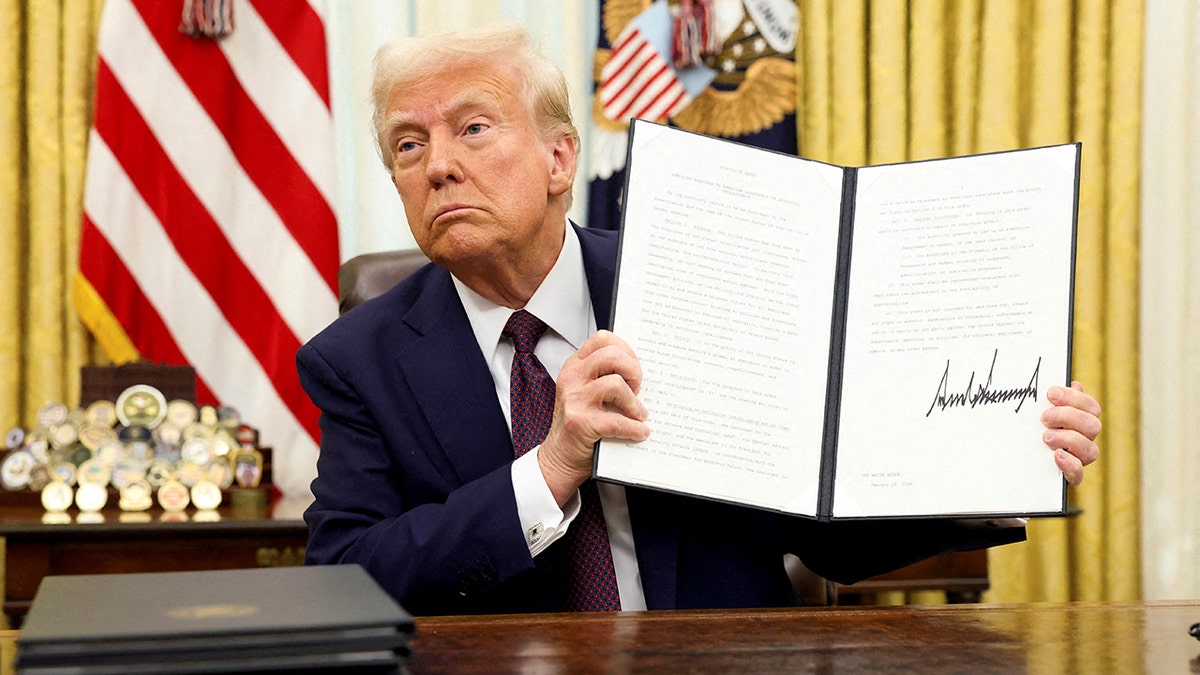
President Trump's expected signing of a sweeping AI Executive Order last week was abruptly postponed, a delay reportedly stemming from sharp internal divisions over the order's scope and stringency. White House sources indicate a fierce tug-of-war between national security hawks pushing for aggressive Export Controls on Advanced Semiconductors and AI models, and economic advisors advocating for a lighter touch to foster domestic innovation. This policy deadlock comes amidst a feverish US-China Tech Race, where both nations are vying for supremacy in Artificial Intelligence. The National Security Council (NSC) faction argues for robust measures to prevent critical AI technologies from falling into rival hands, echoing recent moves against Beijing. Conversely, the Department of Commerce and industry allies warn that overly restrictive regulations could cripple US competitiveness, stifle Generative AI breakthroughs, and drive talent offshore. The postponement leaves the future of US AI policy in limbo, signaling that the White House is struggling to reconcile competing priorities before codifying a unified strategy. Industry stakeholders are now closely watching for a revised order that balances national security imperatives with innovation, while the global AI community awaits signals on Washington's regulatory posture amidst calls for clear AI Safety Standards and Intellectual Property (IP) Law guidance.