World Leaders Demand UN Security Council Overhaul: A Battle for 21st Century Relevance
Context mode is active. Hover over any highlighted term to see its definition. Click a nested term to go deeper.
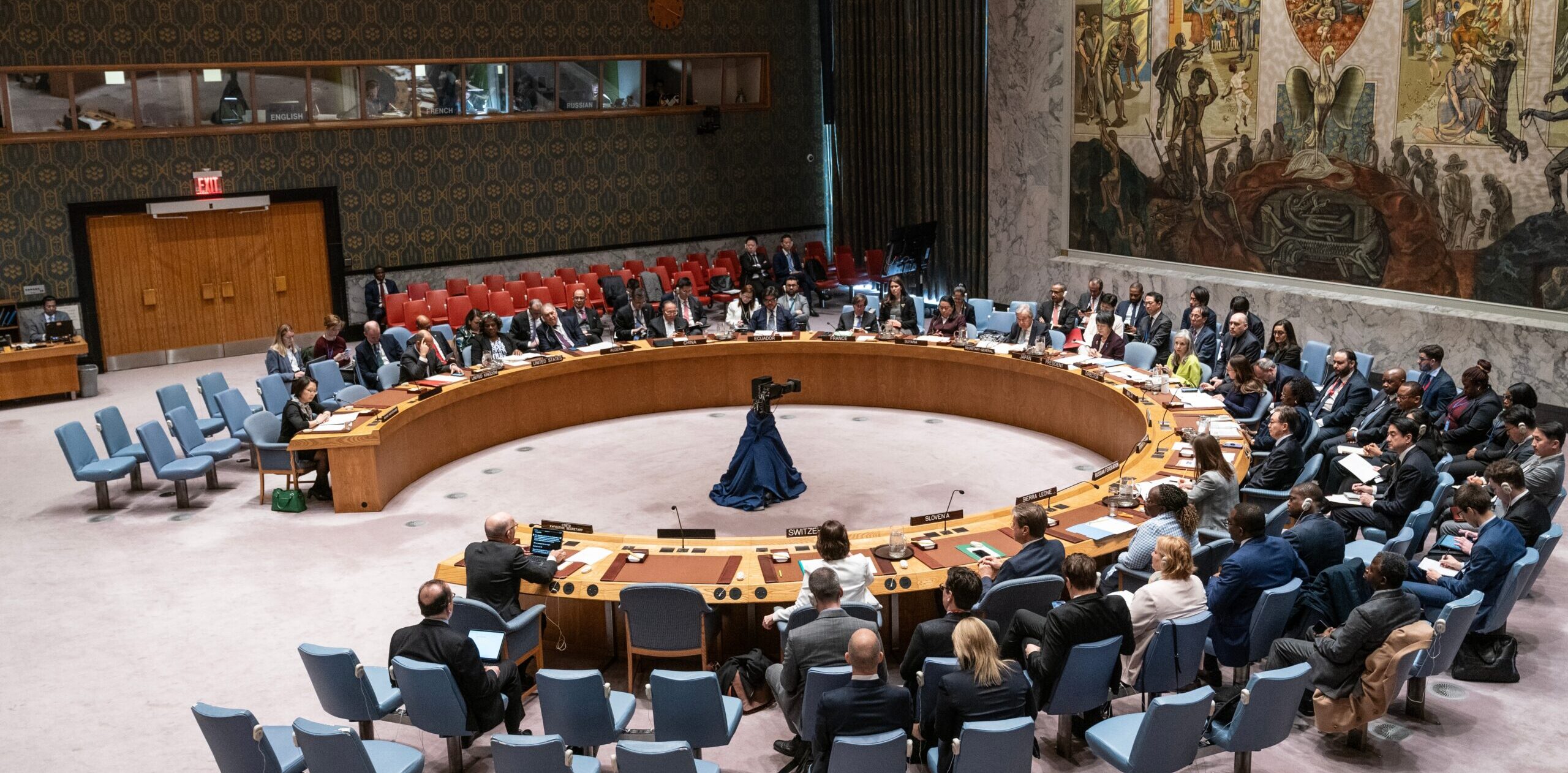
A chorus of world leaders, including prominent African heads of state and the influential G4 nations, have amplified their demands at the 81st UN General Assembly for a radical overhaul of the UN Security Council. They argue that the Council's current 1945 power structure is "anachronistic" and incapable of addressing today's complex global challenges, pushing for an expansion of both permanent and non-permanent seats to ensure better representation for underrepresented regions like Africa, Asia-Pacific, and Latin America. The core of the debate centers on correcting historical injustices, particularly for Africa, which despite 54 member states and a significant portion of the UNSC's agenda, lacks a permanent voice. The African Union, guided by its steadfast Ezulwini Consensus, insists on at least two permanent seats with full veto power – a demand backed by the G4 group, which includes India, Brazil, Germany, and Japan, as they too seek permanent membership. However, the existing Permanent Members (P5) remain divided, with some supporting expansion for Africa and other developing nations but showing reluctance to extend veto power, while the 'Uniting for Consensus' group actively opposes any new permanent seats, advocating instead for more elected, rotational terms. With UN Secretary-General António Guterres also urging immediate reforms, the push for a more legitimate and effective Security Council is reaching a critical point. The ongoing Intergovernmental Negotiations (IGN) have stalled for nearly two decades, yet proponents of reform are pressing for text-based negotiations to finally move beyond rhetoric. The path forward remains fraught, as any amendment to the UN Charter requires the improbable hurdle of two-thirds General Assembly approval and ratification by two-thirds of member states, including all five veto-wielding Permanent Members, making consensus a distant dream amidst clashing geopolitical interests.