EU Weighs Temporary Freeze on Russia Oil Price Cap Over Iran
Context mode is active. Hover over any highlighted term to see its definition. Click a nested term to go deeper.
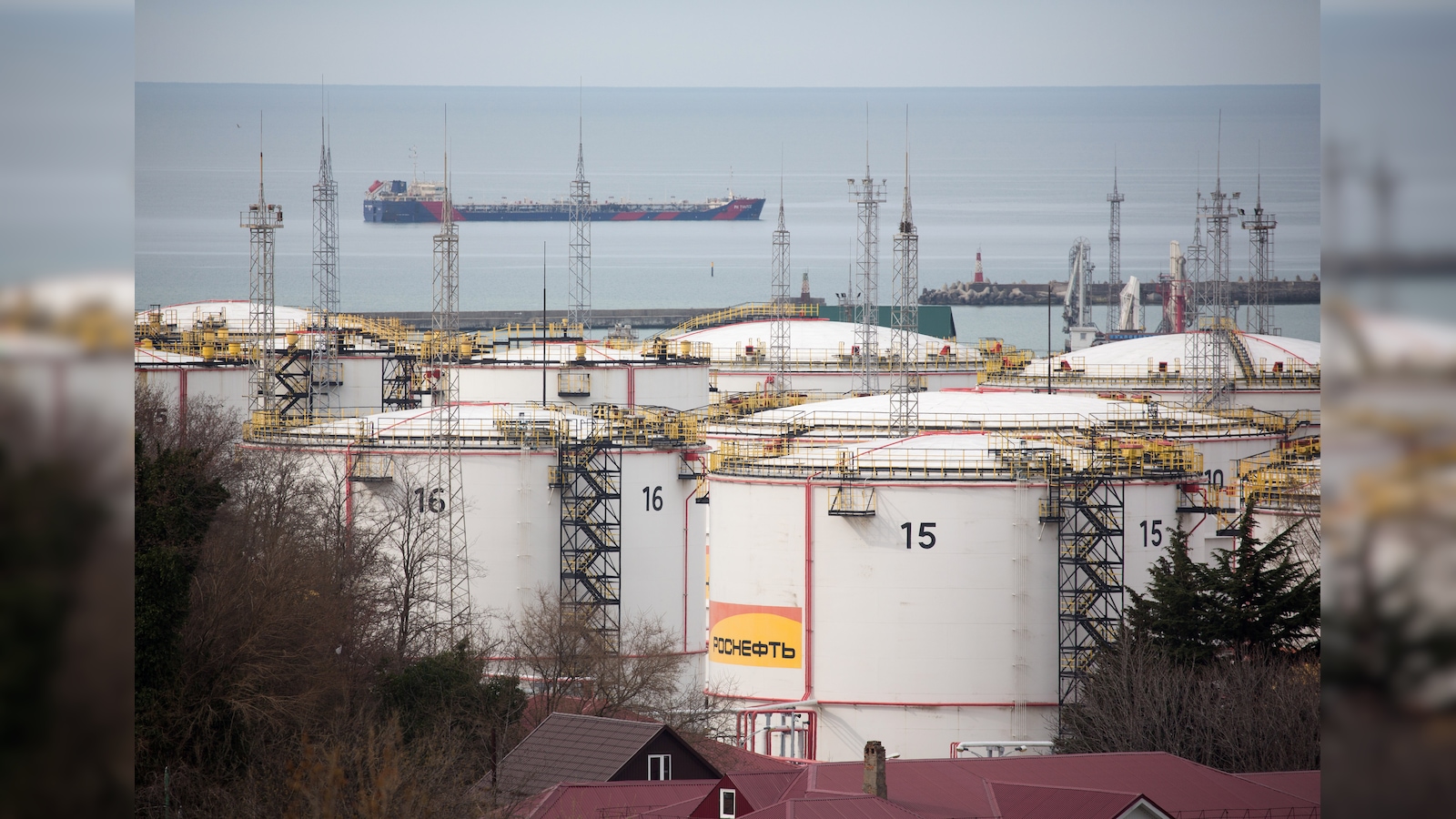
The European Union is deliberating a temporary freeze on the G7-backed price cap for Russian crude, a move analysts suggest is a reluctant concession to global oil market fragility exacerbated by renewed concerns over Iranian supply. The unexpected re-evaluation aims to prevent further price spikes, implicitly allowing Russia to benefit from current high crude valuations, rather than risk a broader energy market shock. This comes as the bloc grapples with the fallout from persistent Red Sea Disruptions and a tightening global supply outlook. Brussels' internal discussions highlight a deep division between member states pushing for tighter sanctions enforcement and those prioritizing economic stability. The current $60/barrel cap, initially designed to curb Moscow's war chest, has proven porous, with Russia successfully leveraging a growing "Shadow Fleet" and robust demand from non-G7 buyers. However, the calculus has shifted following recent intelligence suggesting potential for increased US enforcement of existing Iran Sanctions, or even preemptive supply adjustments from Tehran amid escalating regional tensions. Any significant disruption to Iranian crude, currently supplying millions of barrels daily, could send global benchmarks like Brent soaring. A formal decision on the cap's future is anticipated ahead of the next G7 finance ministers meeting in mid-June. Observers will be watching for signals from the US Treasury Department on its stance regarding both the Russia cap mechanism and its approach to Iranian oil exports. Should the EU opt for a freeze, it would underscore the complex tightrope walk global policymakers face: balancing punitive economic measures against major powers with the imperative of maintaining fragile energy market stability in an increasingly volatile geopolitical landscape.