Zambia's Contested Election Stains Hichilema's Reformer Image, Sparks Democratic Alarm
Context mode is active. Hover over any highlighted term to see its definition. Click a nested term to go deeper.
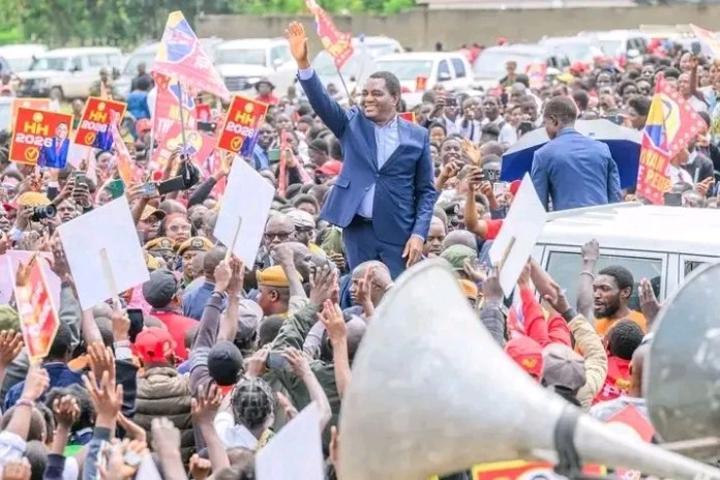
Zambian President Hakainde Hichilema has secured a second term in a hotly contested August 13, 2026 general election, but his victory is shrouded in controversy, severely tarnishing his reputation as a liberal reformer. Opposition leader Brian Mundubile has cried foul, alleging widespread fraud and refusing to accept the results, a sentiment echoed by international observers who cited a 'constrained democratic space' and an uneven playing field. The aftermath saw a dramatic raid on Mundubile's property and the arrest of several opposition figures on dubious charges, drawing sharp criticism from the UN rights chief. The stakes are high for Zambia, long considered a relatively stable democracy in Southern Africa. Hichilema, who swept to power in 2021 on promises of democratic renewal, is now facing accusations of resorting to authoritarian tactics, including suppressing opposition and restricting media freedoms. Concerns about political intimidation, localized violence, and a temporary suspension of vote counting by the Electoral Commission of Zambia (ECZ) fueled anxiety and skepticism among the populace and watchdog groups. While investors have largely welcomed Hichilema's re-election, seeing it as a continuation of his pro-business economic reforms, the erosion of democratic norms poses a significant threat to the nation's long-term stability and international standing. As Mundubile prepares to challenge the results in court, the international community watches closely. The UN's call for due process for arrested opposition figures underscores the urgent need for transparency and adherence to human rights. Hichilema's government now faces the delicate task of balancing economic development with the imperative of preserving democratic credibility. How it navigates these challenges will determine not only his legacy but also the future trajectory of Zambia's democratic institutions and its regional influence.