Statin use linked to lower risk of frailty in older veterans, suggests research
Context mode is active. Hover over any highlighted term to see its definition. Click a nested term to go deeper.
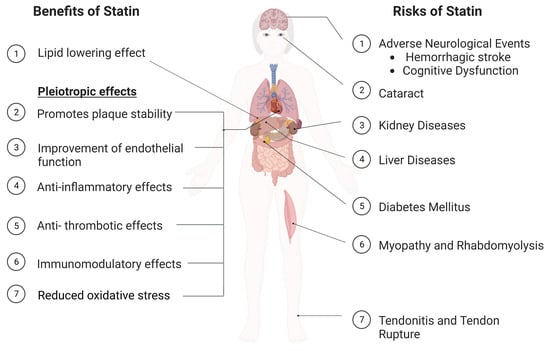
A groundbreaking observational study from Mass General Brigham reveals that older U.S. veterans initiating statin therapy experienced a significant 24% lower risk of developing frailty over time. Published in the European Heart Journal, these findings suggest that the widely prescribed cholesterol-lowering medications may offer crucial healthy aging benefits far beyond their established role in cardiovascular disease prevention. This research arrives at a critical juncture as the U.S. grapples with a rapidly aging population and a growing prevalence of frailty, a syndrome with no approved preventive drugs that dramatically increases vulnerability to adverse health outcomes. While Mass General Brigham study, led by cardiologist Saadia Qazi and geriatrician Ariela Orkaby, highlights statins' potential anti-inflammatory properties in slowing biological aging, it also underscores a nuanced debate within the scientific community. Recent studies, including a November 2025 UK Biobank analysis, have indicated that statin use might be associated with a decline in muscle function and mass, a key component of frailty, and separate January 2026 research has pinpointed a calcium leak mechanism as a cause of statin-induced muscle pain, a common reason for discontinuation. The Mass General Brigham team emphasizes the need for randomized controlled trials to definitively confirm these observational findings and potentially integrate them into clinical guidelines for geriatric medicine. Such trials would be vital in clarifying the balance between statins' broader healthy aging benefits and their known muscular side effects, especially as the newly updated 2026 ACC/AHA Dyslipidemia Guideline continues to refine lipid management for an aging demographic.