Middle East Crisis: Iran Claims Strike on U.S. Fifth Fleet Headquarters in Bahrain After American Attack
Context mode is active. Hover over any highlighted term to see its definition. Click a nested term to go deeper.
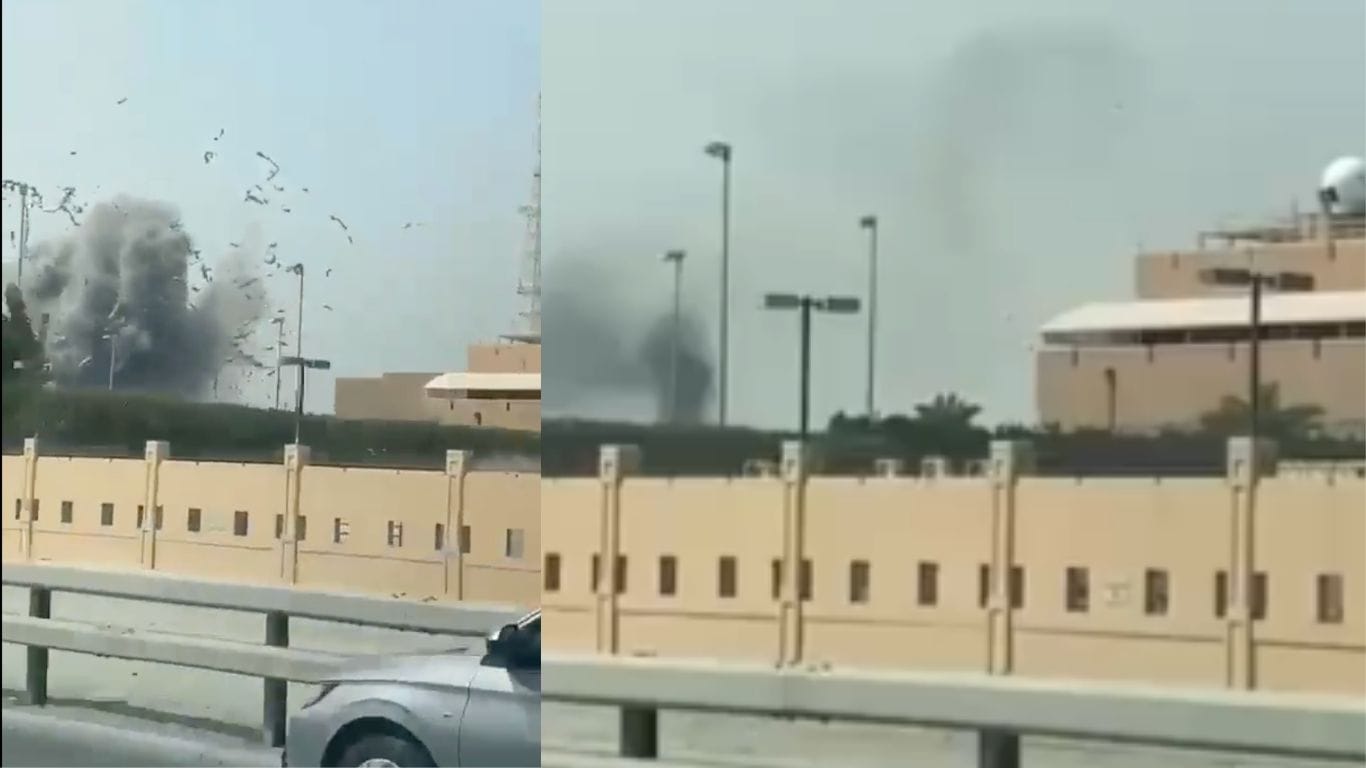
A dangerous new chapter in the Middle East crisis unfolded early Wednesday as Iran Islamic Revolutionary Guard Corps (IRGC) claimed a retaliatory drone strike on the U.S. Navy's Fifth Fleet headquarters in Bahrain. This alleged attack, carried out at approximately 2:30 AM local time, follows a significant escalation where the U.S. launched precision strikes on Iranian air defense and radar sites near the Strait of Hormuz on June 9, an action President Donald Trump ordered after an American Apache helicopter was reportedly downed by an Iranian drone the previous day. The tit-for-tat exchange plunges a volatile region deeper into uncertainty, effectively shattering a fragile ceasefire in place since early April. While Bahrain Interior Ministry confirmed an attack and activated air raid sirens, no official U.S. confirmation of damage or casualties at the critical naval facility has emerged, though past Iranian claims have often been unsubstantiated by the U.S. However, Iran IRGC declared a broader campaign, claiming hits on at least 21 American military targets across the Gulf, including bases in Kuwait and Jordan, underscoring Tehran's readiness to widen the conflict. This rapid escalation has pushed Brent crude oil prices above $92 a barrel, reflecting acute market anxiety over the stability of global energy supplies transiting the Strait of Hormuz, a choke point for one-fifth of the world's oil. With President Trump signaling Iran will 'pay the price' for stalled negotiations, and Tehran vowing 'heavier responses' if U.S. 'aggression' persists, diplomatic efforts hang by a thread. The immediate focus remains on official damage assessments from Bahrain and whether the U.S. will confirm Iranian claims or mount further countermeasures. Watch for potential ripple effects on regional shipping, energy markets, and the increasingly desperate search for a durable de-escalation path in a Middle East teetering on the brink of wider war.