Will ceasefires in Iran and Ukraine be enough to stabilize markets?
Context mode is active. Hover over any highlighted term to see its definition. Click a nested term to go deeper.
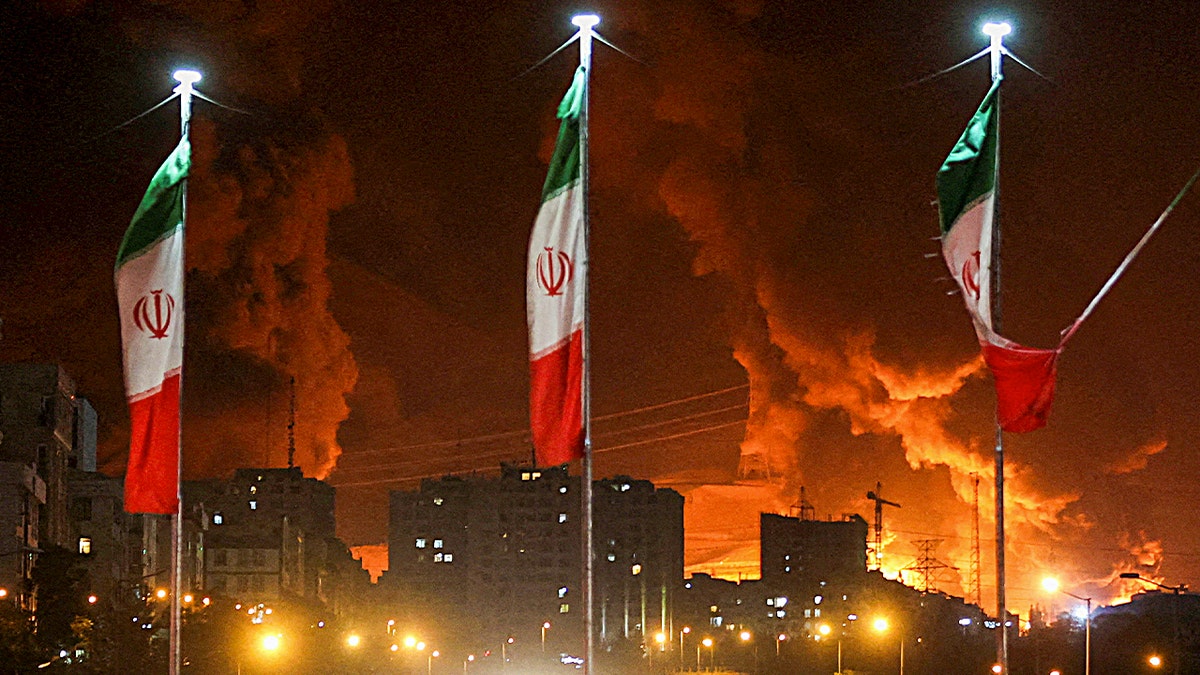
Simultaneous, albeit precarious, ceasefires in Ukraine and the Persian Gulf have triggered a global market rally this Friday, with Brent crude prices plummeting nearly 8% and equity indices surging worldwide. The twin breakthroughs, announced within hours, offer a glimmer of hope for easing the acute geopolitical risk premium that has roiled commodity and financial markets for the past year. The Ukraine truce, brokered by a UN-EU-ASEAN consortium after months of intense back-channel diplomacy, comes just weeks after significant escalations near Odesa and a major Russian cyber-attack on NATO infrastructure. Concurrently, a Saudi-led initiative has secured a provisional halt to hostilities in the Persian Gulf, easing fears over shipping through the critical Strait of Hormuz, which saw a tanker incident just last month. These developments directly challenge the pervasive "stagflationary" narrative, offering central banks like the Federal Reserve and the European Central Bank potential breathing room in their battle against persistent inflation. While initial market euphoria is palpable, analysts caution that the durability of both agreements remains highly uncertain, especially given previous failed attempts and the complex web of proxy conflicts in the Middle East. Investors will now watch for concrete de-escalation steps, the immediate impact on global supply chains, and any signaling from OPEC+ regarding production quotas at their emergency meeting next week. The test of these ceasefires will be whether they can translate short-term market relief into sustained economic stability, a high bar for such fragile accords.