Karnataka Eyes Dedicated Quota for Rural Government School Students in Professional Courses
Context mode is active. Hover over any highlighted term to see its definition. Click a nested term to go deeper.
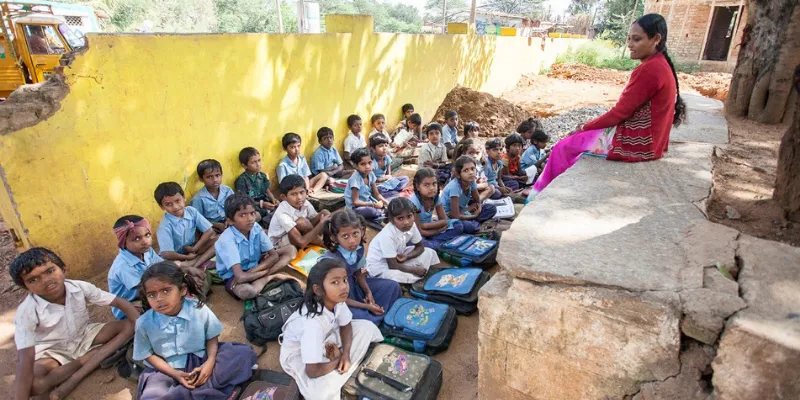
In a significant move to level the educational playing field, the Karnataka government is now seriously considering a proposal to create a separate sub-quota within its existing 15% rural reservation for students from rural government schools applying to professional courses. This fresh push comes after reports highlighted that students from well-resourced private rural schools often secure a disproportionate share of the current rural quota, leaving behind those from less privileged government school backgrounds. The aim is to ensure fairer access to competitive fields like medicine and engineering for truly underserved students. Currently, Karnataka offers a 15% horizontal reservation for students who completed classes 1 to 10 in any rural school, regardless of whether it's government-run or private, for admissions through NEET and CET. However, a 2022 report by the Karnataka Administrative Reforms Commission revealed a stark imbalance: over half of the MBBS seats under this quota were bagged by students from CBSE and ICSE private schools, despite them making up only about 5% of rural Class 10 students. In contrast, students from rural government schools following the state syllabus, who represent nearly 49% of rural Class 10 passes, secured a mere 23% of these coveted seats. To address this disparity, a key proposal suggests splitting the existing 15% rural quota: 7.5% would be specifically reserved for rural government school students, while the remaining 7.5% would be open to students from private aided and unaided rural schools. This move, actively championed by groups like the Association of Government Primary School Teachers of Karnataka, is currently under review by the government. If approved, it could significantly reshape admissions, potentially offering a much-needed boost to students who truly need it, bridging the gap between urban and rural educational opportunities.