335 Days Behind Bars: Why The Jailing Of Bangladesh’s Former Chief Justice Matters
Context mode is active. Hover over any highlighted term to see its definition. Click a nested term to go deeper.
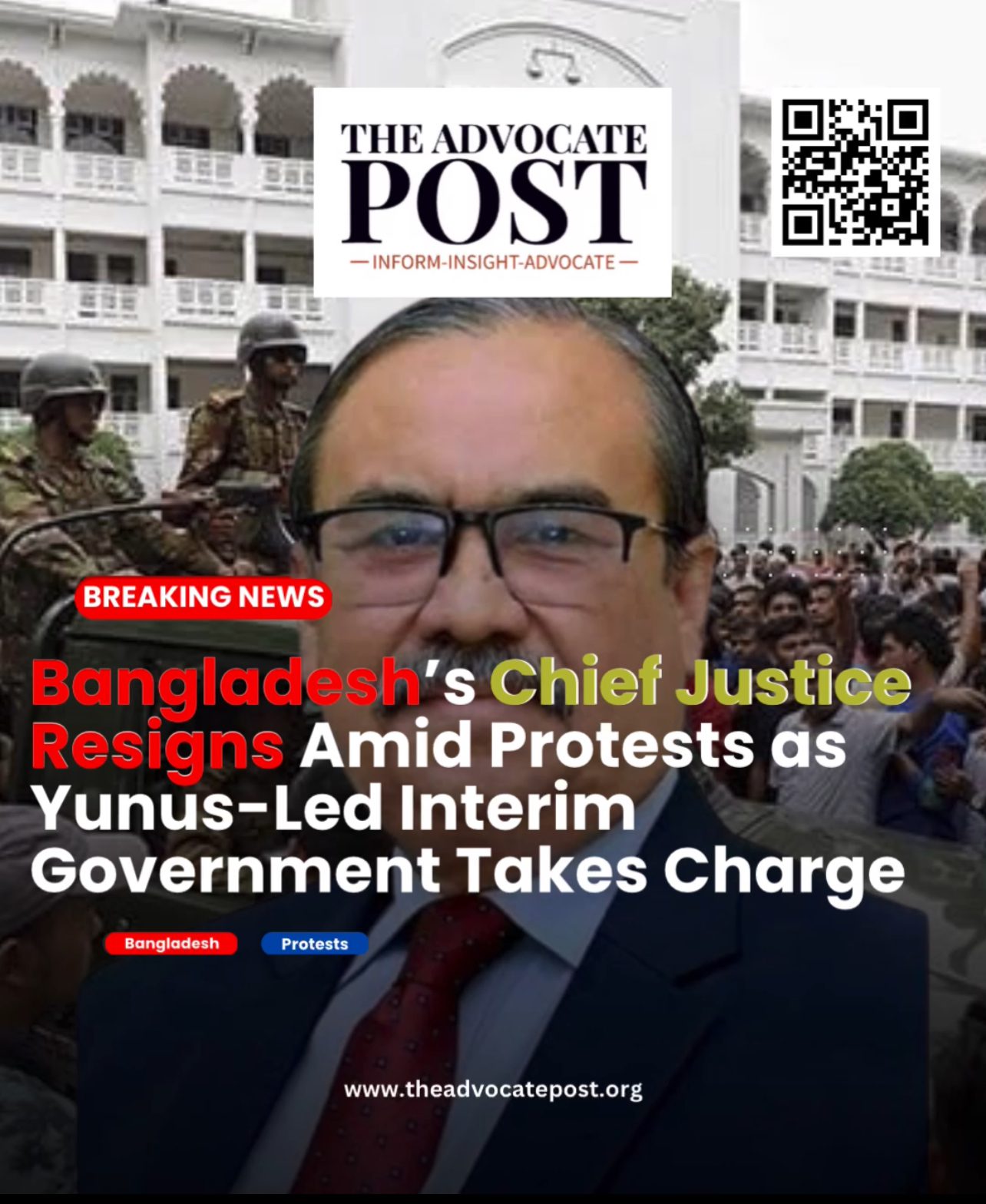
Bangladesh's newly-elected government is facing a fresh wave of controversy over its recent moves to roll back key judicial reforms, stirring concerns that echo the politically charged events that led to former Chief Justice Surendra Kumar Sinha (SK Sinha) forced exile and conviction in absentia years ago. In April 2026, the Jatiya Sangsad passed the Supreme Court Secretariat (Repeal) Bill, 2026, effectively dismantling an independent secretariat for the country's highest court, a reform initiated by the previous Interim Government to bolster judicial autonomy. This reversal, along with the repeal of the Supreme Court Judges Appointment Ordinance, 2025, has triggered widespread alarm about the future of judicial independence in the nation. These legislative actions by the Bangladesh Nationalist Party (BNP) government come despite an overwhelming public mandate in the February 2026 constitutional referendum which endorsed broad reforms, including enhanced judicial independence, outlined in the July Charter. Critics, including state law officers who resigned in protest, argue the government's stance contradicts its own past commitments to judicial autonomy and undermines the very principles the July 2024 mass uprising sought to uphold. The situation draws parallels to SK Sinha tumultuous departure in 2017, following a landmark 16th Amendment verdict against the government and subsequent corruption charges from the Anti-Corruption Commission (ACC) that he maintains were politically motivated. He was ultimately sentenced to 11 years in jail in absentia in November 2021. The ongoing debate signals a critical juncture for Bangladesh's democratic institutions. With civil society organizations like Constitution Watchdog actively publishing reports advocating for robust judicial reform, the government is under immense pressure to reconcile its actions with public expectations and constitutional promises. Observers will be closely watching whether the ruling party prioritizes genuine institutional independence or continues a pattern of executive influence over the judiciary, impacting the nation's rule of law and international standing. The coming months will reveal if Bangladesh can navigate this constitutional tension towards a truly independent judiciary, or if the shadows of past controversies continue to loom.