Ukraine's Drones Hit Deep: Russia's Oil Revenues Squeezed as War Funding Falters
Context mode is active. Hover over any highlighted term to see its definition. Click a nested term to go deeper.
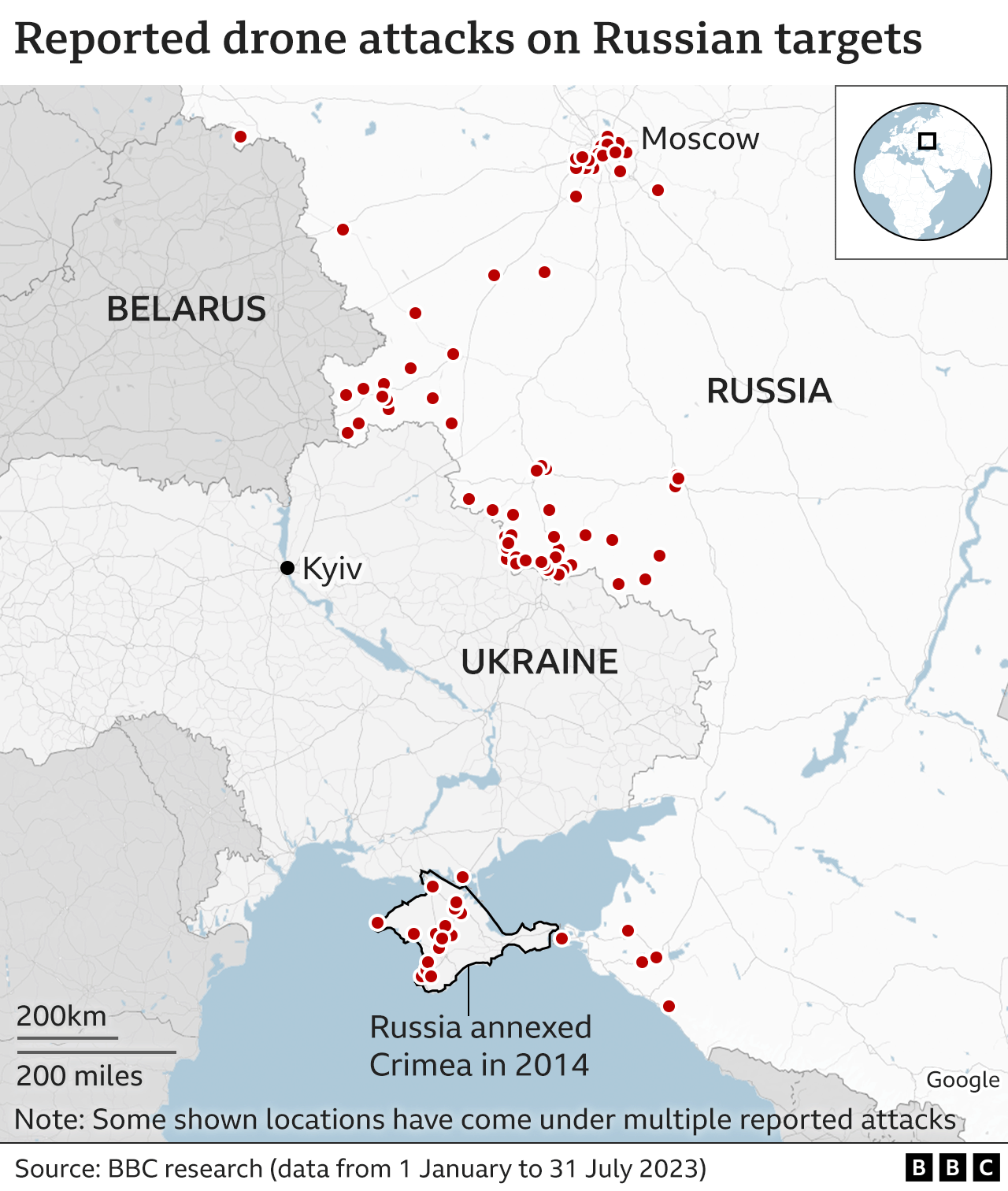
Ukrainian President Volodymyr Zelensky announced Thursday that fresh drone strikes had dealt another significant blow to Russia ability to fund its ongoing invasion of Ukraine. Overnight attacks on August 6, 2026, successfully targeted two oil refineries deep inside Russian territory, including the crucial Slavneft-Yanos facility in Yaroslavl and another in the Bashkortostan Republic, further straining Moscow's economic lifeline for its war machine. These latest strikes are part of an intensified and strategically expanding drone campaign by Ukraine, which has seen its refining capacity approvals surge. Reports indicate that Russian oil refining activities plummeted to a 24-year low in July 2026, processing a mere 3.6 million barrels of crude oil per day due to these persistent aerial assaults. The cumulative damage from these strikes has reportedly knocked out nearly 43% of Russia total refining capacity since the start of 2026, causing widespread domestic fuel shortages and forcing Russia to impose export restrictions on fuel until the end of the year. The growing effectiveness of Ukraine 'long-range sanctions' is visibly squeezing Russia war economy, with oil and gas revenues for the first half of 2026 falling to just 64% of what they were two years prior, even with the G7 price cap in place. To further institutionalize this deep strike strategy, Ukraine established a Long-Range Strike Command in July 2026, aiming to focus resources on degrading Russia ability to wage war. This escalating tactical shift promises continued pressure on Russia vital energy sector and further global economic ripples.