Ghana begins repatriating citizens from South Africa due to anti-immigration tensions
Context mode is active. Hover over any highlighted term to see its definition. Click a nested term to go deeper.
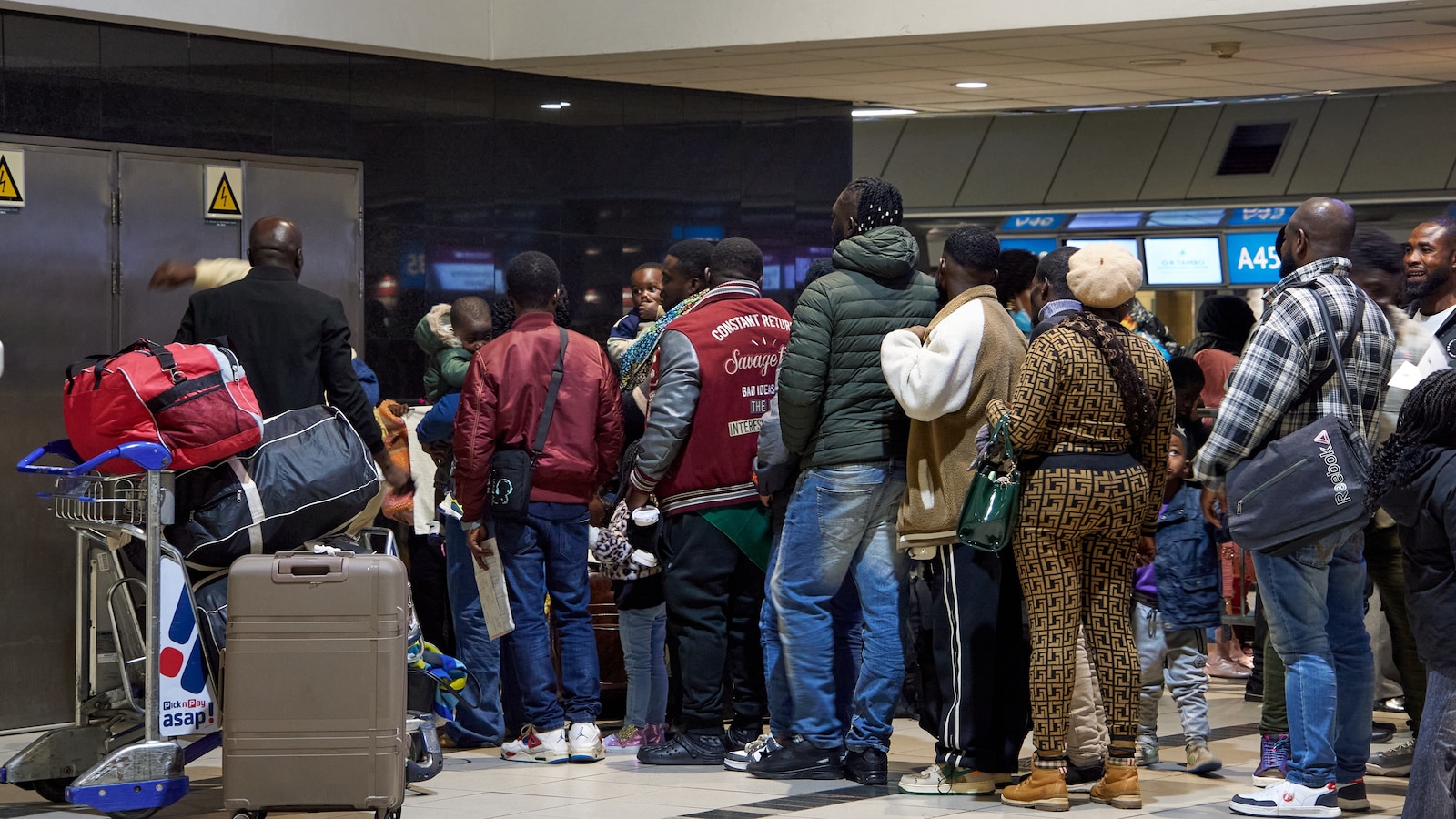
Ghana has initiated an urgent voluntary repatriation program for its citizens residing in South Africa, a direct response to a worrying surge in anti-immigrant sentiment and targeted incidents against foreign nationals, particularly within Gauteng Province. The program, which commenced in early May 2026, aims to extract vulnerable Ghanaians and follows a period of escalating tensions where foreign-owned businesses and individuals have faced harassment and violence amidst South Africa's persistent economic woes. This move by Accra underscores the deepening humanitarian and diplomatic fallout from South Africa's enduring xenophobia. While President Cyril Ramaphosa government has repeatedly condemned such acts, critics argue the systemic issues, including alarmingly high unemployment rates (especially among youth, currently above 40%), continue to fuel a climate where foreign nationals are scapegoated. The current wave of attacks, though not explicitly orchestrated by groups like Operation Dudula, reflects a similar underlying resentment and puts immense pressure on South African authorities to ensure safety and uphold regional integration principles. The immediate concern remains the safety and successful repatriation of Ghanaian citizens, with hundreds already registered for assistance. Beyond that, the situation presents a severe test for regional blocs like the African Union and ECOWAS, highlighting the fragility of intra-African migration and the complex interplay between economic distress and social cohesion. Observers will be watching for South Africa's long-term strategy to tackle xenophobia, as incidents like these continue to mar its international standing and strain diplomatic ties across the continent.