Iran Peace Deal Crumbles: Deadline Missed, Escalation Fears Mount as Tensions Flare
Context mode is active. Hover over any highlighted term to see its definition. Click a nested term to go deeper.
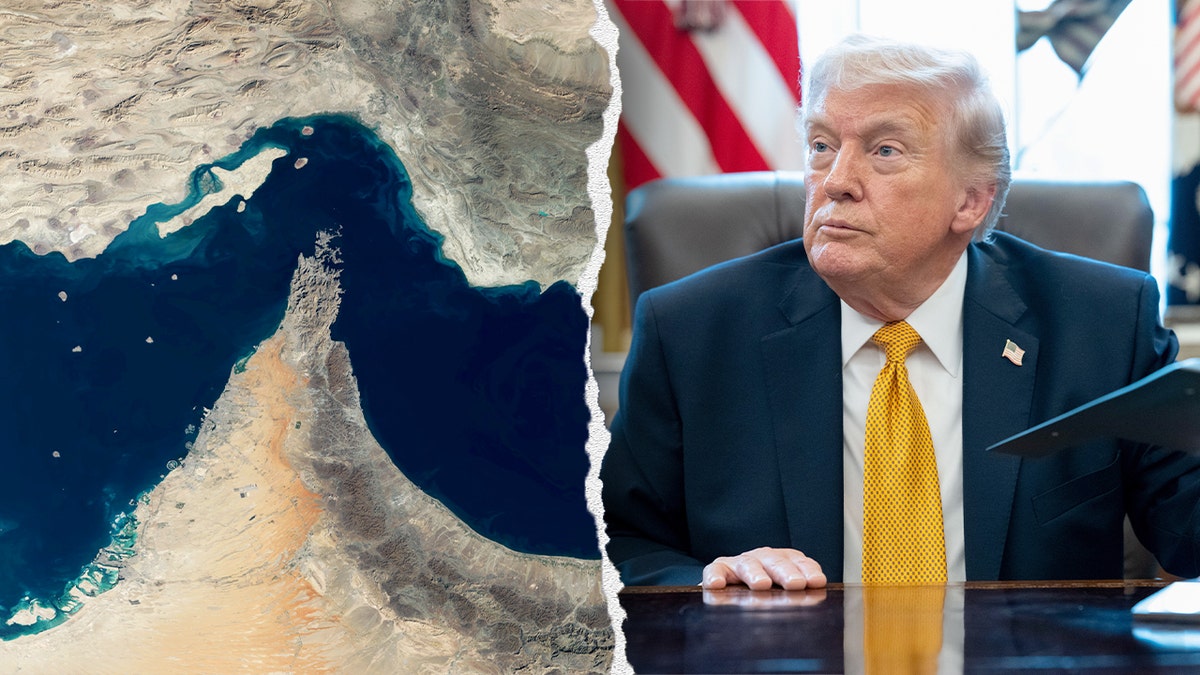
The 60-day deadline for an interim peace deal between the United States and Iran officially passed on Monday, August 17, 2026, without a breakthrough, leaving both sides further apart than they were two months ago. US President Donald Trump unequivocally rejected an extension, while a senior Iranian official warned of a shift to a 'fully offensive' military posture, giving Washington 'a few weeks' to meet its demands or face potential escalation. At the heart of the deadlock is Iran's nuclear program and control over the crucial Strait of Hormuz. The interim Memorandum of Understanding, signed in June after the US-Israel launched 2026 Iran war, aimed to halt hostilities and address key issues like maritime passage and nuclear aspirations. However, talks stalled, with Iran continuing to assert its authority over the strait, leading to disruptions and even attacks on commercial vessels, despite an initial commitment to safe passage. Looking ahead, the geopolitical chessboard is tense. Iran's hardline leadership has reportedly been bolstering its Islamic Revolutionary Guard Corps and increasing its missile and drone capabilities, preparing for a larger conflict. The International Atomic Energy Agency (IAEA) continues to express concern over Iran's undisclosed nuclear activities and expanding uranium enrichment, with inspectors still lacking full access to key facilities. With the interim agreement now expired and no clear path for a permanent resolution, the region braces for intensified economic pressure and the looming threat of renewed military confrontation.