Iran Signals Uranium Transfer Deal as US Nuclear Talks Reach Critical Turning Point | US-IRAN WAR
Context mode is active. Hover over any highlighted term to see its definition. Click a nested term to go deeper.
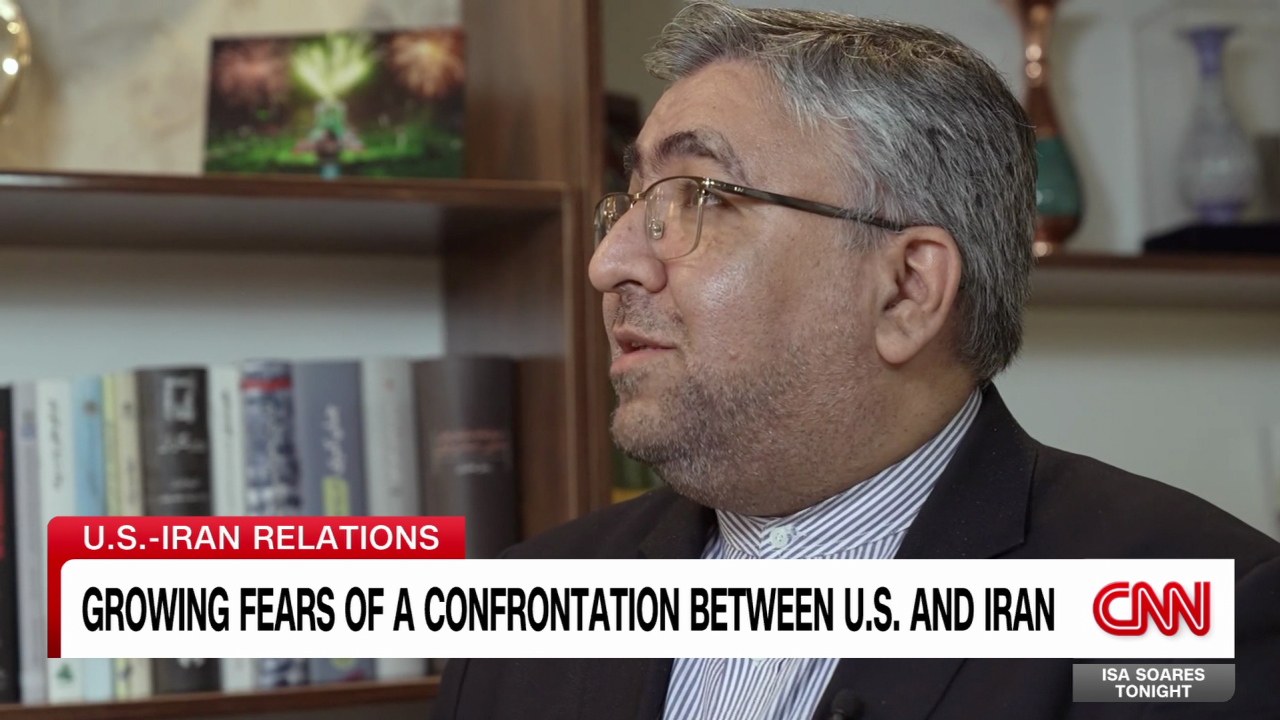
Iran has reportedly proposed a significant transfer of its 60% enriched uranium stockpile to a neutral third country, signaling a potential de-escalation in its protracted nuclear standoff with the United States. This unexpected olive branch, following months of diplomatic stagnation and heightened regional tensions, could unlock stalled negotiations aimed at curbing Tehran's nuclear ambitions. The move suggests a tactical shift as the Islamic Republic faces mounting pressure ahead of an upcoming International Atomic Energy Agency (IAEA) board meeting. The proposition arrives as Iran highly enriched uranium reserves continue to grow, significantly reducing its "breakout time" to weapons-grade material and intensifying international alarm. Washington, while cautiously acknowledging the offer, remains firm on comprehensive verification protocol and a broader commitment from Tehran, particularly regarding its controversial ballistic missile program. Pakistan, initially floated as a potential intermediary, has reportedly shifted its role to a facilitator, with Oman and Kazakhstan now emerging as frontrunners to temporarily house the sensitive material. The immediate focus is on hammering out the technical details of the transfer and agreeing on robust IAEA monitoring to ensure compliance. While not a direct revival of the Joint Comprehensive Plan of Action (JCPOA), this could be a crucial confidence-building measure. However, any lasting breakthrough hinges on resolving entrenched disagreements over sanctions relief and a verifiable halt to Iran advanced centrifuge deployment, keeping the region on a knife-edge.