Iran war forces farmers seek fertilizer alternatives from cow dung to compost
Context mode is active. Hover over any highlighted term to see its definition. Click a nested term to go deeper.
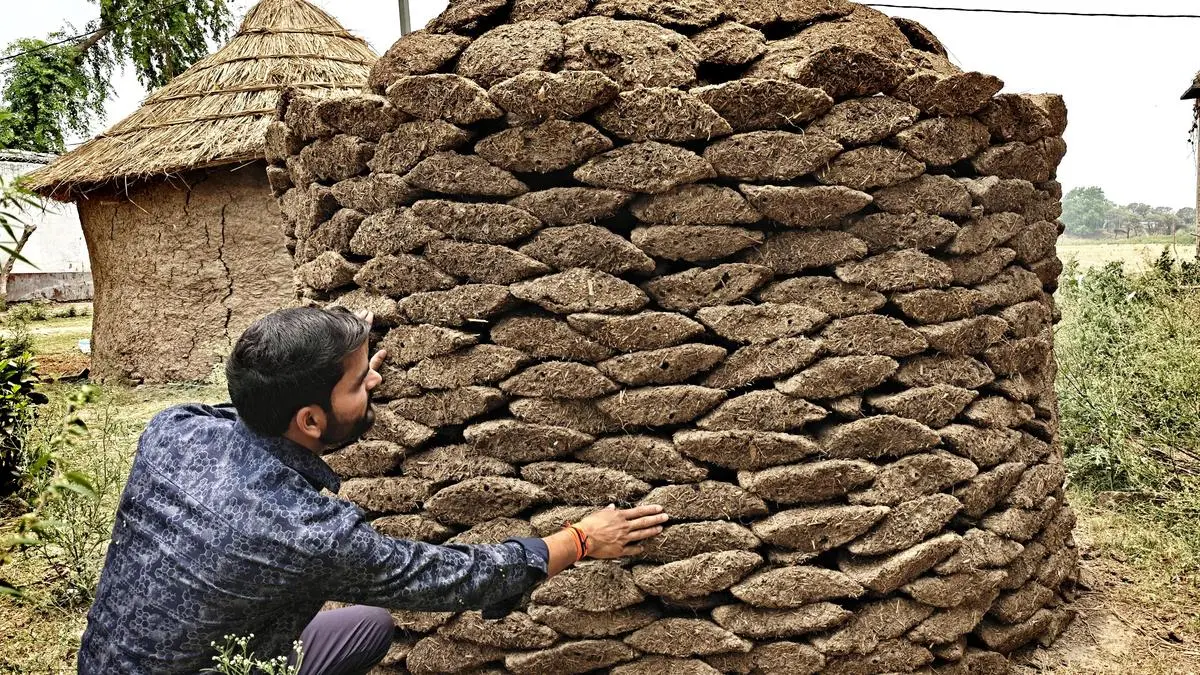
Farmers globally are scrambling for agricultural inputs, pivoting aggressively towards ancient methods like cow dung and compost, as heightened geopolitical tensions surrounding Iran have crippled the vital Gulf region chemical fertilizer exports. This abrupt shift, driven by a volatile global market where prices have surged over 50% in the last six months, spotlights the precariousness of global food production tied to specific chokepoints. The escalating crisis in the Persian Gulf, marked by sporadic maritime incidents and disrupted shipping lanes near the Strait of Hormuz, has severely impacted the Gulf region ability to supply 30% of the world's traded chemical fertilizers, a figure highlighted by the International Food Policy Research Institute. Major producers, from Saudi Arabia to Qatar, face soaring logistics costs and insurance premiums, which are inevitably passed down to farmers, especially in developing economies. This sustained disruption threatens to push millions into severe food insecurity, echoing the early 2020s shocks. Looking ahead, expect governments and agricultural giants to fast-track investments in bio-fertilizers and localized production, recognizing supply chain resilience as paramount. The immediate future promises continued price volatility and a push towards diversified input sources, with global consumers likely to see higher food costs through 2027. The long-term implications could reshape agricultural practices for a generation, accelerating the adoption of sustainable farming on an unprecedented scale.