Indonesia's Prabowo Expands Commodity Export Monitoring, Eyes Billions in Revenue
Context mode is active. Hover over any highlighted term to see its definition. Click a nested term to go deeper.
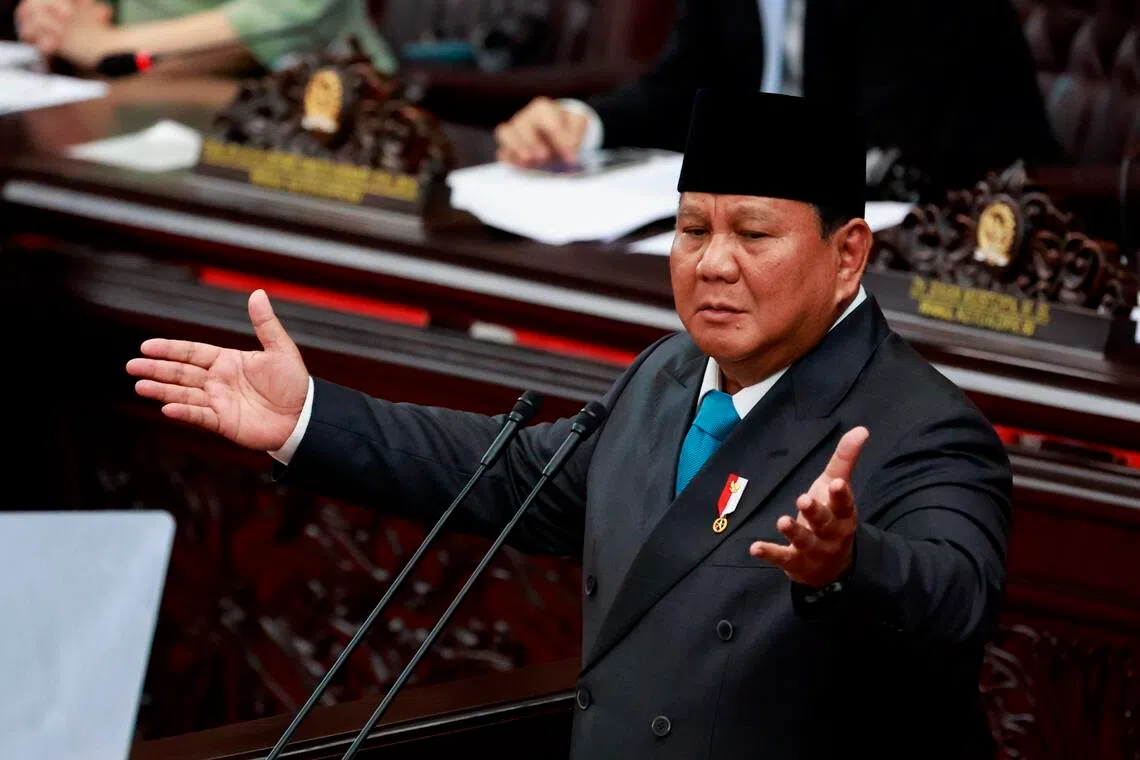
Indonesian President Prabowo Subianto announced on Friday that a newly established state firm, Danantara Sumberdaya Indonesia (DSI), will significantly expand its role to monitor all key commodity exports, rather than directly controlling them, aiming to curb under-invoicing and boost state revenue. This policy shift, first unveiled in May, has already identified a potential $5 billion in additional export proceeds from discrepancies in reported prices, with DSI overseeing $14 billion worth of transactions in its first two months focusing on palm oil, coal, and ferroalloys. The President emphasized that Indonesia's wealth should benefit its people and not be lost through fraudulent practices. This move comes as Prabowo's administration faces growing investor skepticism and falling approval ratings amid challenges like a depreciating Indonesian Rupiah and concerns over government overspending. While the initial plan to centralize exports under DSI had global commodity markets rattled, the revised focus on monitoring seems to be a response to these anxieties, seeking to strike a balance between resource nationalism and market stability. Prabowo also used his second Independence Day speech to push for greater fiscal discipline and national self-sufficiency. Looking ahead, DSI monitoring will rapidly expand to cover 50 ports and eventually all strategic commodities, far beyond the initial three. Furthermore, Prabowo announced plans to launch a dedicated commodity exchange by January 1, 2027, with the ambitious goal of allowing Indonesia, as a major producer, to play a stronger role in determining global commodity prices. The success of these initiatives will be closely watched by investors, who are awaiting clear legislation and technical guidelines to ensure tighter oversight does not hinder private investment or increase transaction costs for exporters.