Iran Offers Hormuz Concessions to China Amidst Strait Shipping Chaos
Context mode is active. Hover over any highlighted term to see its definition. Click a nested term to go deeper.
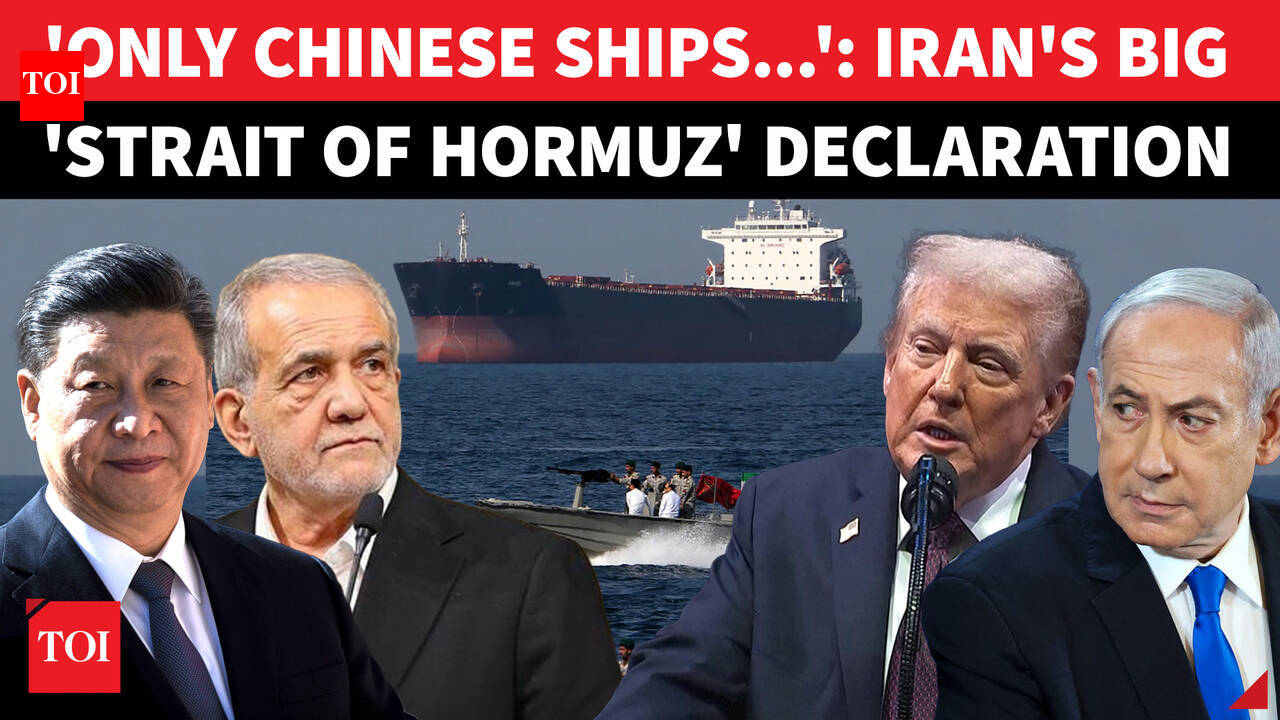
Iran Ambassador to China, Abdolreza Rahmani Fazli, has announced that Beijing will receive 'special considerations' on newly imposed transit fees for ships navigating the critical Strait of Hormuz. This revelation comes as at least eight vessels, including crucial oil tankers, were forced to turn back from the Omani coast between Friday and Saturday, underscoring persistent disruptions in the vital global chokepoint. The move signals Tehran's strategic pivot to solidify ties with its key energy consumer amidst escalating regional tensions and ongoing talks to secure a permanent end to the recent US-Iran war. The concessions offered to China are a clear indication of Iran leveraging its control over the Strait, which has become a matter of 'national security' for Tehran following a four-month conflict with the United States and Israel earlier this year. The disruptions to shipping, ranging from undeclared naval exercises to increased 'security checks,' are impacting global energy supply chains. China, as the largest importer of Iranian crude oil, finds itself deeply intertwined in this volatile geopolitical play, seeking guaranteed access for its immense energy needs while navigating a complex new toll system rejected by the US and other Gulf Arab states. As negotiations for a lasting peace deal continue, the immediate future of free navigation through the Strait of Hormuz remains uncertain. European nations are reportedly more open to accepting some form of transit fees, but insist on non-discriminatory application, contrasting with Iran intent to grant special treatment to 'friendly' countries like China. All eyes are on how these 'new arrangements' will impact international maritime law, global energy prices, and the broader balance of power in the Middle East.