Ceuta Crisis: Digital Deception and Geopolitical Games Fuel Europe's Migration Flashpoint
Context mode is active. Hover over any highlighted term to see its definition. Click a nested term to go deeper.
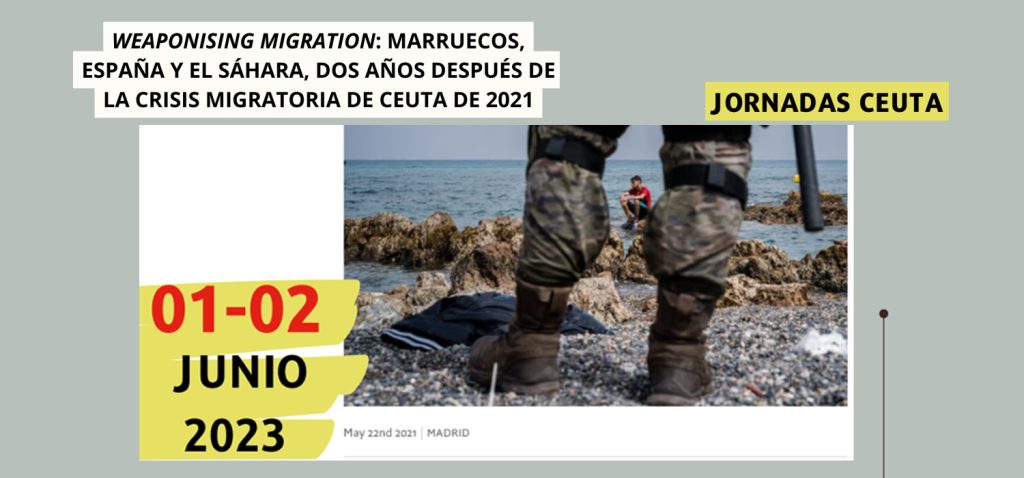
Tens of thousands of migrants, primarily young men from Morocco and Sub-Saharan Africa, flooded into Spain North African enclave of Ceuta in late July 2026, creating a severe humanitarian crisis and reigniting Europe's fierce debate on migration policy. This unprecedented surge, where up to 80,000 individuals breached borders by land and sea, was largely driven by a widespread social media misinformation campaign that promised easy entry into Europe. Tragically, over 100 people died during these chaotic crossings. The crisis exposed deep vulnerabilities in Europe's border management, especially as a recent Spanish Supreme Court ruling on 'hot returns' was deliberately twisted online to encourage crossings. Spanish Prime Minister Pedro Sánchez faced criticism from other EU nations, with countries like Italy and Denmark blaming Spain earlier mass regularization program for acting as a 'pull factor'. Meanwhile, geopolitical tensions between Spain and Morocco escalated, with some observers suggesting Morocco might have eased border controls as a tactic following Sánchez's visit to rival Algeria regarding the disputed Western Sahara region. While most of the migrants were quickly returned to Morocco, thousands, including many unaccompanied minors, remain in Ceuta, stretching local resources to their breaking point. The European Union, through its migration chief Magnus Brunner, has offered Frontex support and called for stronger cooperation with North African partners, acknowledging Europe's reliance on their 'goodwill' makes its borders vulnerable. Spain, having installed a new sea barrier, is now bracing for fresh online calls for another mass crossing, with intelligence officials warning of potential new surges by mid-August.