Kuril Islands Crisis: Russia Summons Japanese Envoy After Putin's Provocative Visit
Context mode is active. Hover over any highlighted term to see its definition. Click a nested term to go deeper.
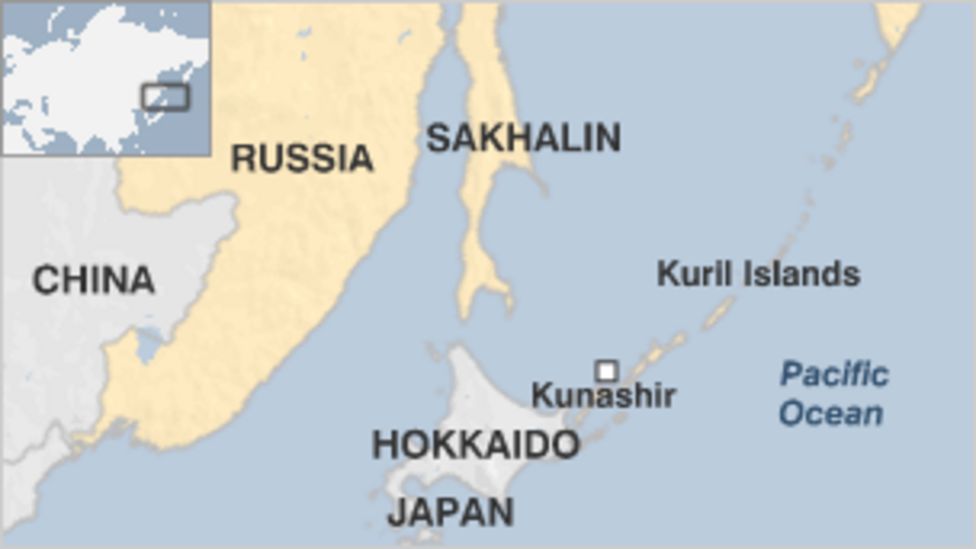
A fresh diplomatic storm has erupted between Russia and Japan, with Moscow's Foreign Ministry summoning Japanese Ambassador Akira Muto on Tuesday to deliver a sharp protest. This high-stakes move comes just days after Russian President Vladimir Putin made a provocative visit to Iturup Island, one of the disputed Kuril Islands, a territory claimed by both nations since World War II. Japan swiftly condemned Putin's August 13 trip as 'absolutely unacceptable,' intensifying an already strained relationship. The dispute over these strategically vital islands, known in Japan as the Northern Territories, has long prevented the two countries from formally signing a post-World War II peace treaty. Putin's visit, his first to the archipelago in over a decade, is widely seen as a defiant assertion of Russian sovereignty and a warning shot to Tokyo, especially given Japan's robust support for Ukraine and its alignment with G7 sanctions against Moscow. This act follows Japan's own summoning of Russia's ambassador last week, underscoring the escalating tensions fueled by the ongoing war in Ukraine and Japan's assertive new defense posture. With both sides hardening their stances, the immediate future holds more diplomatic friction. Russia has made it clear it reserves the right to take 'appropriate countermeasures' against Japan's criticism and sanctions. Meanwhile, the United States has reaffirmed its recognition of Japan's sovereignty over the islands, adding another layer of geopolitical complexity. Observers will be watching closely to see if Japan escalates its own response, possibly through further sanctions, as this territorial standoff continues to ripple through East Asian security dynamics.