How Congo's illegal gold trade is fueling the spread of a deadly, vaccine-resistant Ebola strain - Business Insider Africa
Context mode is active. Hover over any highlighted term to see its definition. Click a nested term to go deeper.
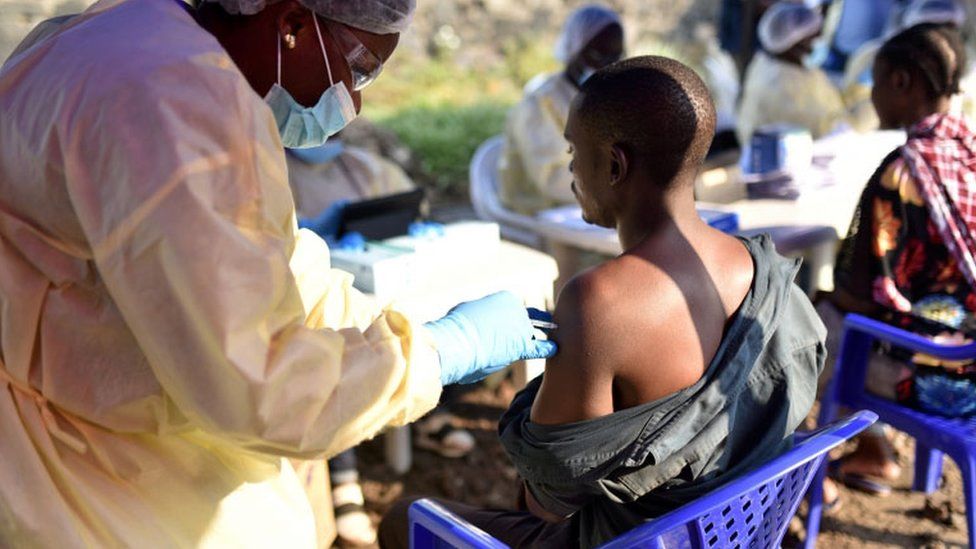
A deadly, vaccine-resistant Ebola outbreak, caused by the rare Bundibugyo virus, is rapidly intensifying across northeastern Democratic Republic of Congo (DRC) and spreading into neighboring Uganda, prompting the World Health Organization (WHO) to declare a Public Health Emergency of International Concern. Confirmed cases have surged since early May 2026, primarily centered in Ituri Province's remote mining zones like Mongbwalu, raising alarm among global health agencies due to the lack of approved vaccines or targeted treatments for this specific strain. This crisis is critically fueled by the DRC's booming, unregulated illegal gold trade. The relentless expansion of artisanal mining operations drives extensive deforestation, forcing human populations deeper into rainforests and increasing contact with wildlife, particularly fruit bats, natural reservoirs for the Ebola virus. Further complicating containment, armed groups operating in the conflict-ridden eastern DRC exploit these illicit gold flows, creating an insecure environment that severely hampers aid efforts and fosters community mistrust, as noted by organizations like Médecins Sans Frontières (MSF) and the International Rescue Committee (IRC). In a recent move to curb this instability, the DRC's Ministry of Mines, under Louis Watum Kabamba, issued a three-month suspension of all mining activities in parts of South Kivu, targeting illicit mineral exploitation and armed group financing, effective May 22, 2026. However, the efficacy of such measures in a region losing an estimated $7.5 billion annually to illegal gold exports remains to be seen. Global health agencies are now accelerating efforts to develop countermeasures for the Bundibugyo virus, but sustained peace and tightened regulatory control over the lucrative gold trade are essential to truly mitigate this escalating humanitarian and health catastrophe.