Deadly Babesia Epidemic Claims Lives Of 8 Asiatic Lions in Gir Forest
Context mode is active. Hover over any highlighted term to see its definition. Click a nested term to go deeper.
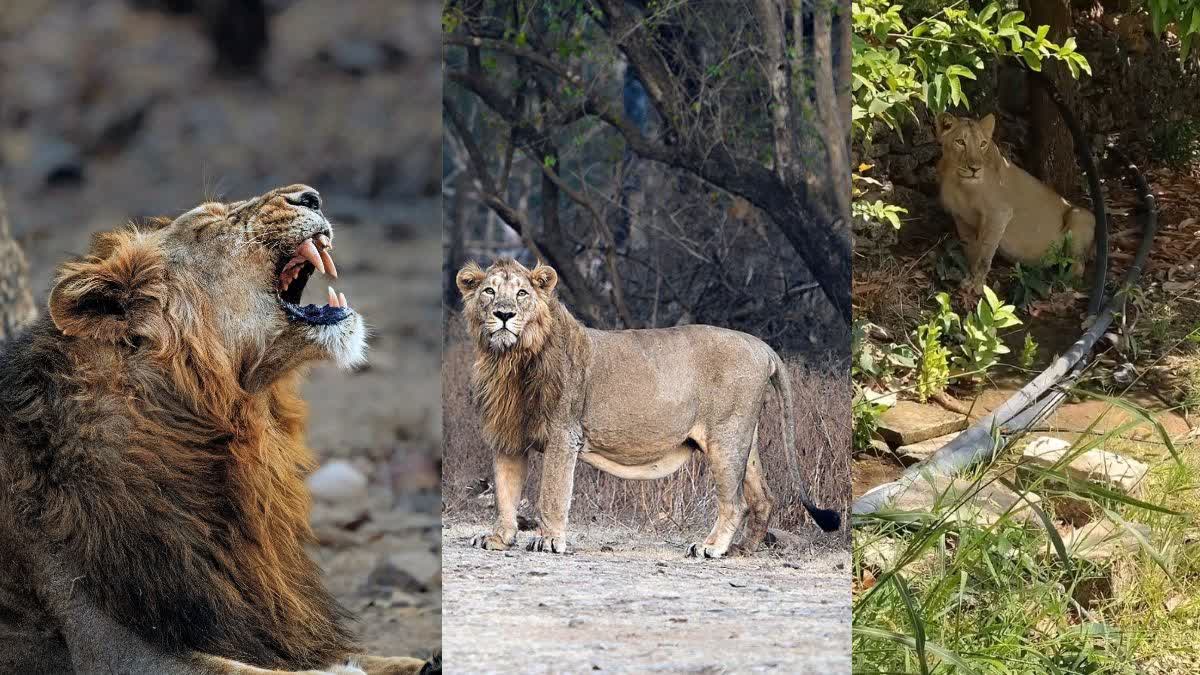
An urgent crisis grips India's Gir Forest National Park as a deadly Babesia epidemic has claimed the lives of eight critically endangered Asiatic Lion in just the past few weeks. This parasitic, tick-borne infection is spreading rapidly, forcing the Gujarat Forest Department into high-alert mode with veterinary teams scrambling to contain the outbreak and prevent further losses to the world's last wild population of this iconic big cat. The stakes couldn't be higher. The Gir population, while a conservation success story, remains vulnerable due to its single-location density, a risk highlighted by a devastating Canine Distemper Virus (CDV) outbreak in 2018 that killed over two dozen lions. Experts from the Indian Veterinary Research Institute (IVRI) are now collaborating with local wildlife health monitors, fearing that climate shifts and habitat encroachment may be increasing tick prevalence, exacerbating the disease's spread through the dense lion prides and challenging long-standing Lion Conservation Project goals. Immediate efforts include intensive surveillance, advanced diagnostics, and targeted treatment of symptomatic animals, alongside enhanced tick control measures. Longer-term, this renewed threat will likely reignite debates around the controversial Translocation Project to establish a second wild population, a critical buffer against such localized epidemics. The coming weeks will be crucial in determining if the emergency response can avert a wider catastrophe for India's national pride.