'Illegally and forcibly occupied': India lodges strong protest with Pakistan over polls for so called Gilgit-Baltistan assembly
Context mode is active. Hover over any highlighted term to see its definition. Click a nested term to go deeper.
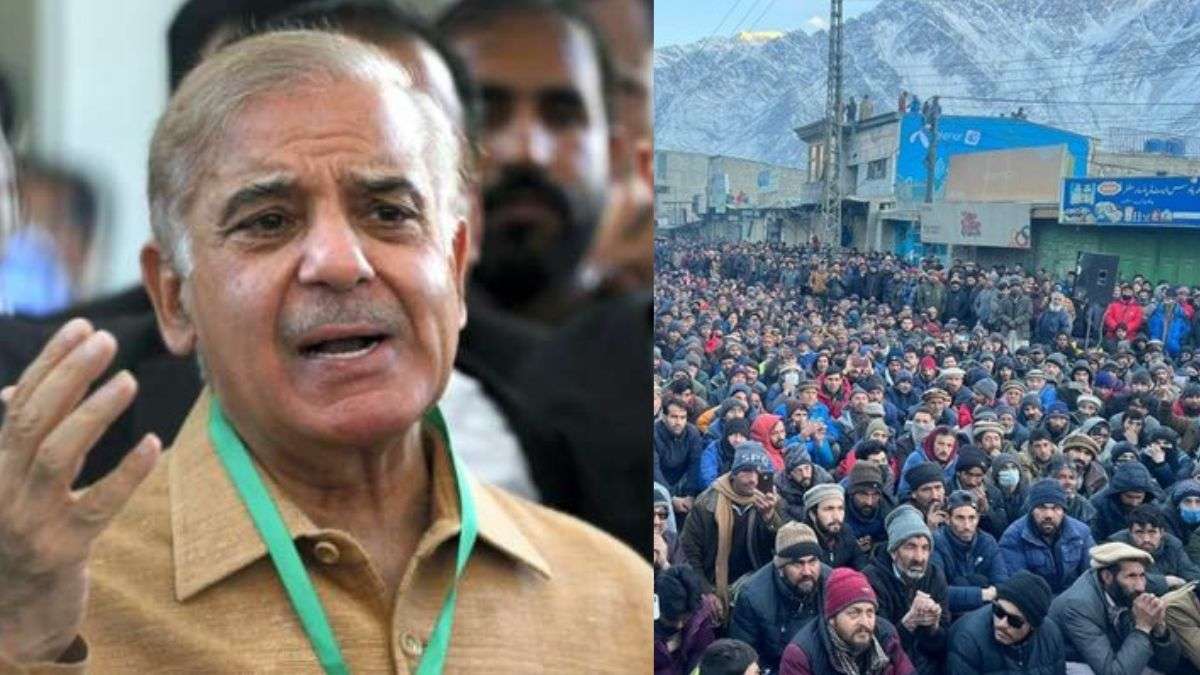
New Delhi has vehemently protested Pakistan's announced plans to hold elections for the Gilgit-Baltistan Legislative Assembly, branding the move an "illegal and forcible occupation" of Indian territory. This diplomatic demarche, issued by India's Ministry of External Affairs on June 5, 2026, escalates tensions over the strategically vital region, which India maintains is an integral part of its union territory of Jammu and Kashmir, signaling India's unwavering opposition. Pakistan's latest electoral push, slated for late 2026, is seen as a dual-pronged effort: to legitimize its control and consolidate administrative integration amidst growing Chinese investment through the China-Pakistan Economic Corridor (CPEC). India views this as a direct challenge to its sovereignty, echoing strong opposition to the 2019 Pakistani Supreme Court ruling allowing such polls. This diplomatic spat re-ignites the broader Kashmir dispute, a core flashpoint between the two nuclear-armed neighbors since 1947, further complicated by India's 2019 abrogation of Article 370. The immediate fallout will likely be a diplomatic volley, with Pakistan dismissing India's protest while proceeding with its electoral agenda. Observers will be watching for reciprocal actions from New Delhi, potentially at international forums or through further hardening of its Line of Control posture. The international community will note this fresh provocation in a highly sensitive geopolitical zone, especially given China's deepening economic stakes in Gilgit-Baltistan. The incident underscores the intractable nature of the Kashmir dispute.