Explainer: What is behind EU's new migration push?
Context mode is active. Hover over any highlighted term to see its definition. Click a nested term to go deeper.
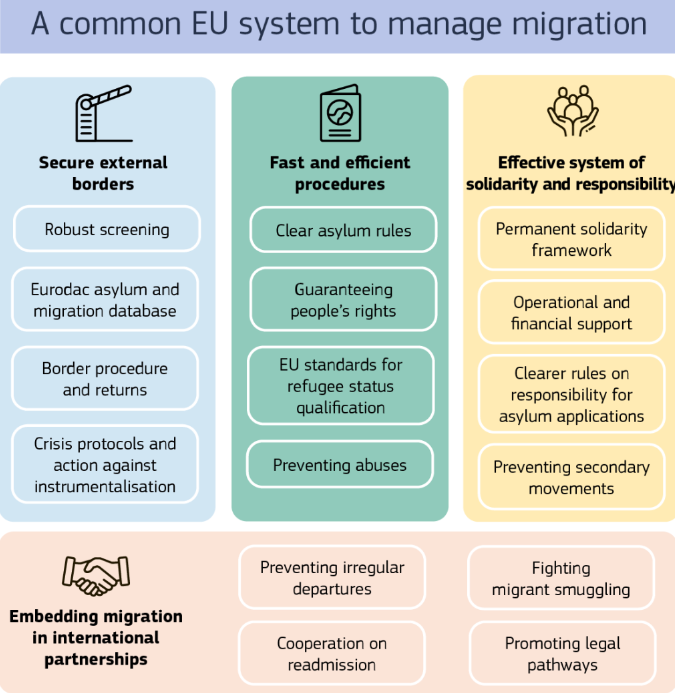
The European Union has unveiled a robust package of measures this week aimed at dramatically increasing the deportation of irregular migrants and strengthening external border controls. This assertive push, championed by the European Commission, signals a significant hardening of the bloc's approach, seeking to curb rising unauthorized arrivals and address persistent internal divisions over migration policy. The proposals are a direct response to escalating political pressure and a perceived failure of current return mechanisms. This aggressive strategy arrives amidst a backdrop of surging irregular crossings, particularly across the Central Mediterranean and Western Balkan routes, straining frontline Member States like Italy and Greece. The proposals aim to operationalize and reinforce the recently agreed-upon Pact on Migration and Asylum, which, despite its foundational reforms, has struggled to achieve the desired "Return Rates" of individuals not granted asylum. Critics argue these measures risk undermining fundamental human rights and could further externalize Europe's borders, while proponents insist they are crucial for regaining control and preserving the integrity of the Schengen Area. The new measures, which include faster border screening procedures and enhanced cooperation with third countries on readmission agreements, now face complex negotiations within the European Parliament and the Council of the EU. Expect fierce debate between civil society groups, human rights advocates, and Member States pushing for tougher enforcement. The outcome will shape not only the future of European migration management but also its geopolitical influence and commitment to international law in a globally interconnected world.