Thousands of NHS staff exposed to cancer-causing chemicals at work, shocking study finds
Context mode is active. Hover over any highlighted term to see its definition. Click a nested term to go deeper.
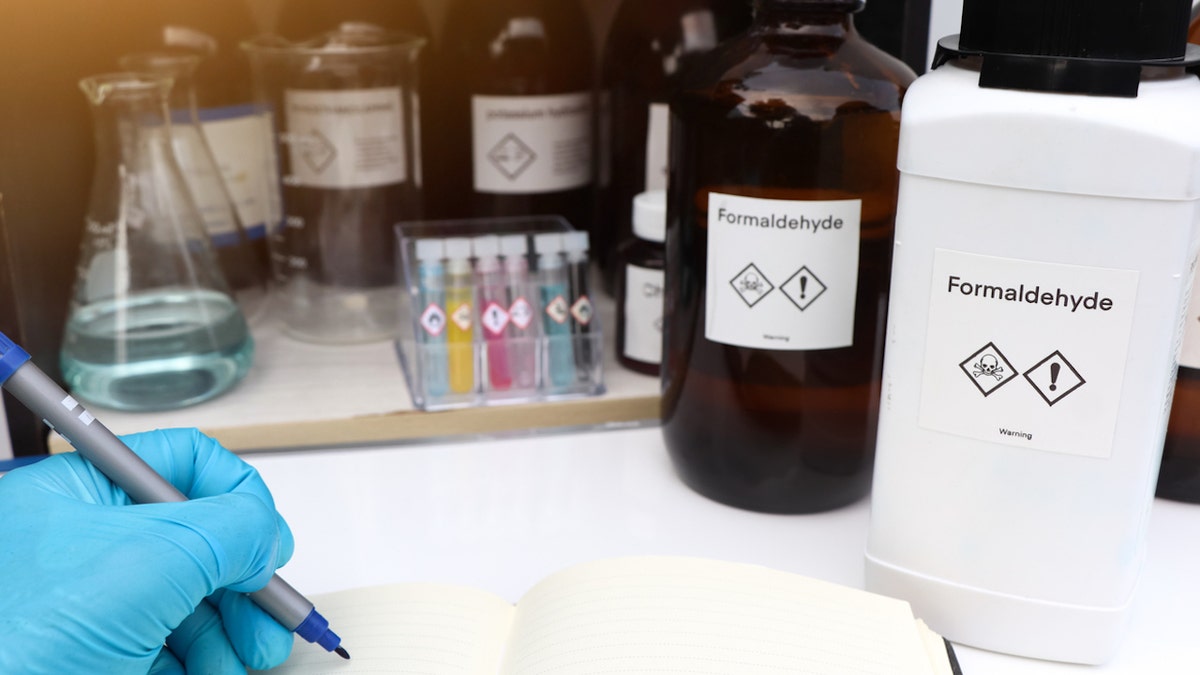
Thousands of NHS staff across the UK's pathology departments are routinely exposed to unsafe levels of formaldehyde, a known human carcinogen, with a shocking 70% of facilities exceeding European Union workplace limits. A recent analysis of Freedom of Information requests, published in the journal Occupational & Environmental Medicine, reveals that while no departments breached the UK's significantly higher legal limits, chronic exposure to the chemical presents substantial long-term health risks for an estimated 28,000 employees in England alone. This discrepancy highlights a critical regulatory gap post-Brexit, where the UK maintains a formaldehyde exposure limit seven times higher than the EU's stricter 2021 standards. The revelations lay bare a deep-seated occupational health crisis within the NHS, fueled by infrequent monitoring—with nearly three-quarters of sites measuring airborne levels weekly or less—and inadequate control measures. Despite a substantial body of evidence linking formaldehyde to respiratory, reproductive, and nervous system damage, as well as cancers like leukemia and nasopharyngeal cancer, the UK's Health and Safety Executive (HSE) currently has no plans for sector-specific guidance for NHS workplaces, deferring responsibility to individual NHS Trusts. This hands-off approach leaves staff vulnerable, underscoring systemic failures in safeguarding frontline healthcare workers against a substance the US Environmental Protection Agency declared an 'unreasonable risk to human health' in 2024. Urgent calls for national regulatory intervention are now intensifying, advocating for the UK to align its Workplace Exposure Limits with EU standards and for a comprehensive overhaul of occupational hygiene practices within NHS pathology departments. This demands upgraded infrastructure, more frequent personal exposure monitoring, improved employee education, better access to Personal Protective Equipment (PPE), and stronger management accountability, coupled with robust external oversight from the HSE. The findings ripple beyond healthcare, impacting other UK industries reliant on formaldehyde, and put pressure on the government to act decisively to prevent a potential wave of long-term illness among essential workers.