Trump Halts Iran Talks, Demands Concessions Amid Escalating 'Strangulation' Strategy
Context mode is active. Hover over any highlighted term to see its definition. Click a nested term to go deeper.
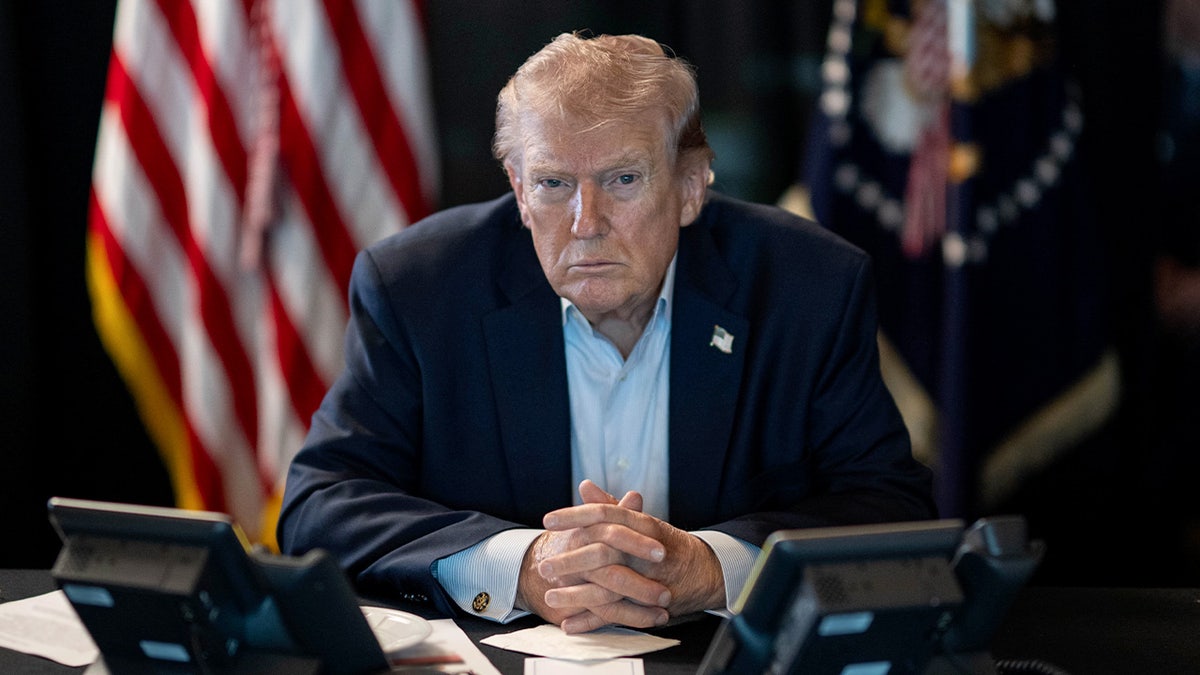
US President Donald Trump has abruptly pulled the plug on ongoing negotiations with Iran, according to a recent CNN report. Trump has instructed his top envoys to halt all discussions, stating he's unwilling to re-engage until leaders of the Islamic Republic of Iran demonstrate a clear willingness to agree to the deal he seeks. This move signals a dramatic shift in Washington's approach, moving from active diplomacy to a strategy aimed at 'strangling' Iran over time through intensified economic pressure. This latest development comes after a 60-day negotiating period under a Memorandum of Understanding (MoU) expired, with both sides failing to find common ground. The US administration, now under Trump's second term, has been pushing to limit Iran's nuclear program and its regional military influence, a continuation of policies from his prior presidency and following the collapse of the 2015 Iran nuclear deal, the Joint Comprehensive Plan of Action (JCPOA). Tensions have been particularly high around the Strait of Hormuz, a critical global energy waterway, where the US maintains a naval blockade despite Iran's claims of having cleared water mines. The White House new 'strangulation' strategy, publicly supported by Treasury Secretary Scott Bessent, will involve unprecedented financial measures targeting Iranian bank accounts, crypto wallets, and assets worldwide. With Iran's Supreme Leader Mojtaba Khamenei and President Masoud Pezeshkian now in power, and the Islamic Revolutionary Guard Corps (IRGC) holding significant sway, the path forward for any diplomatic breakthrough appears increasingly difficult. The world will be watching to see if this heightened pressure forces Tehran to the negotiating table on Trump's terms, or if it further escalates the already volatile situation in the Middle East.