U.S. Sends First Deportation Flight Under Controversial Liberia Pact, Sparking Global Scrutiny
Context mode is active. Hover over any highlighted term to see its definition. Click a nested term to go deeper.
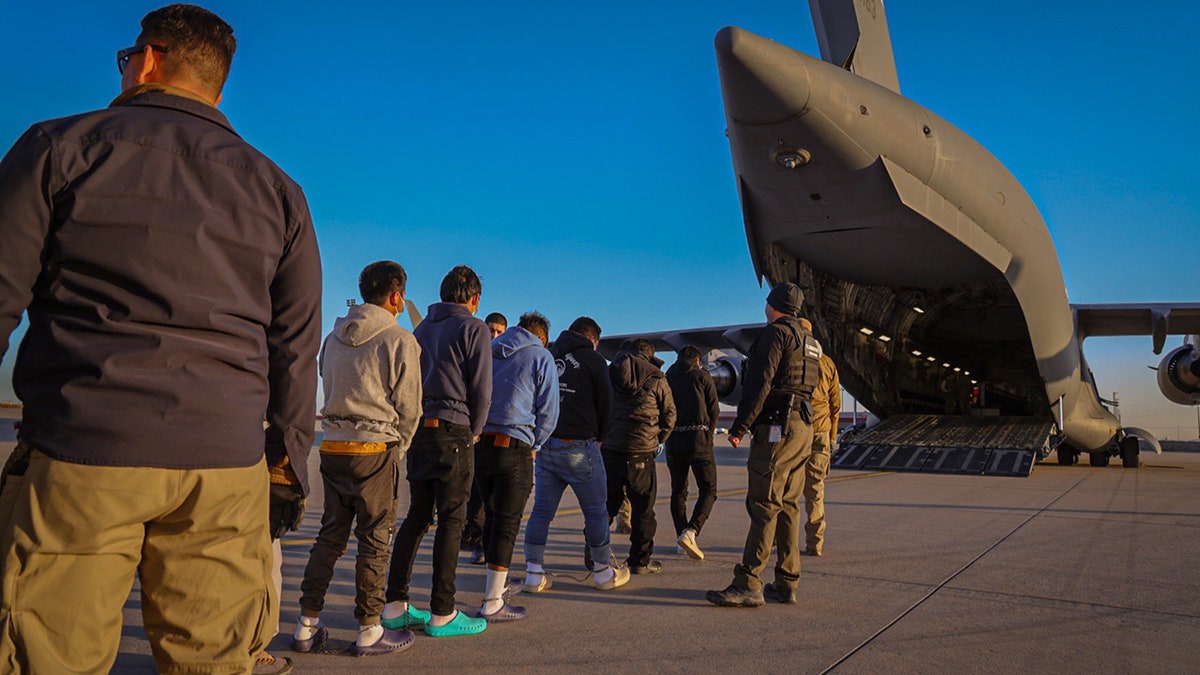
In a significant and controversial move, the United States on Thursday executed its inaugural deportation flight under a new pact with Liberia, sending 20 non-Liberian nationals to the West African nation. This initial group, comprising individuals from Africa, North America, South America, and the Caribbean, marks the beginning of an arrangement where Liberia has agreed to accept up to 1,200 such 'third-country' deportees over the coming year, a policy drawing sharp criticism from human rights advocates globally. This action significantly expands the Trump administration second-term immigration crackdown, which has seen the U.S. forge similar, often secretive, third-country deportation agreements with over 35 nations, including 13 in Africa, leading to more than 23,000 individuals being deported to countries where they often have no ties. While Liberian officials maintain the deportees can seek asylum within their borders and emphasize the nation's humanitarian tradition as a refuge, rights groups like Human Rights First and Third Country Deportation Watch voice serious concerns about safety risks and due process, noting that some deportees even resisted leaving the plane upon arrival. The immediate future will see whether Liberia promise of asylum opportunities is genuinely accessible, even as the U.S. continues to pursue its aggressive deportation strategy, potentially providing 'migration management activities' support to Liberia, valued around $5 million according to some estimates. All eyes will be on ongoing legal challenges, such as the high-profile case of Kilmar Abrego Garcia, whose potential transfer to Liberia remains contested in U.S. courts, highlighting the contentious legal and humanitarian implications of these expanding policies.