India-Bound Oil Tanker ‘Nissos Keros’ Clears Strait of Hormuz Amid Ongoing Global Navigation Tensions
Context mode is active. Hover over any highlighted term to see its definition. Click a nested term to go deeper.
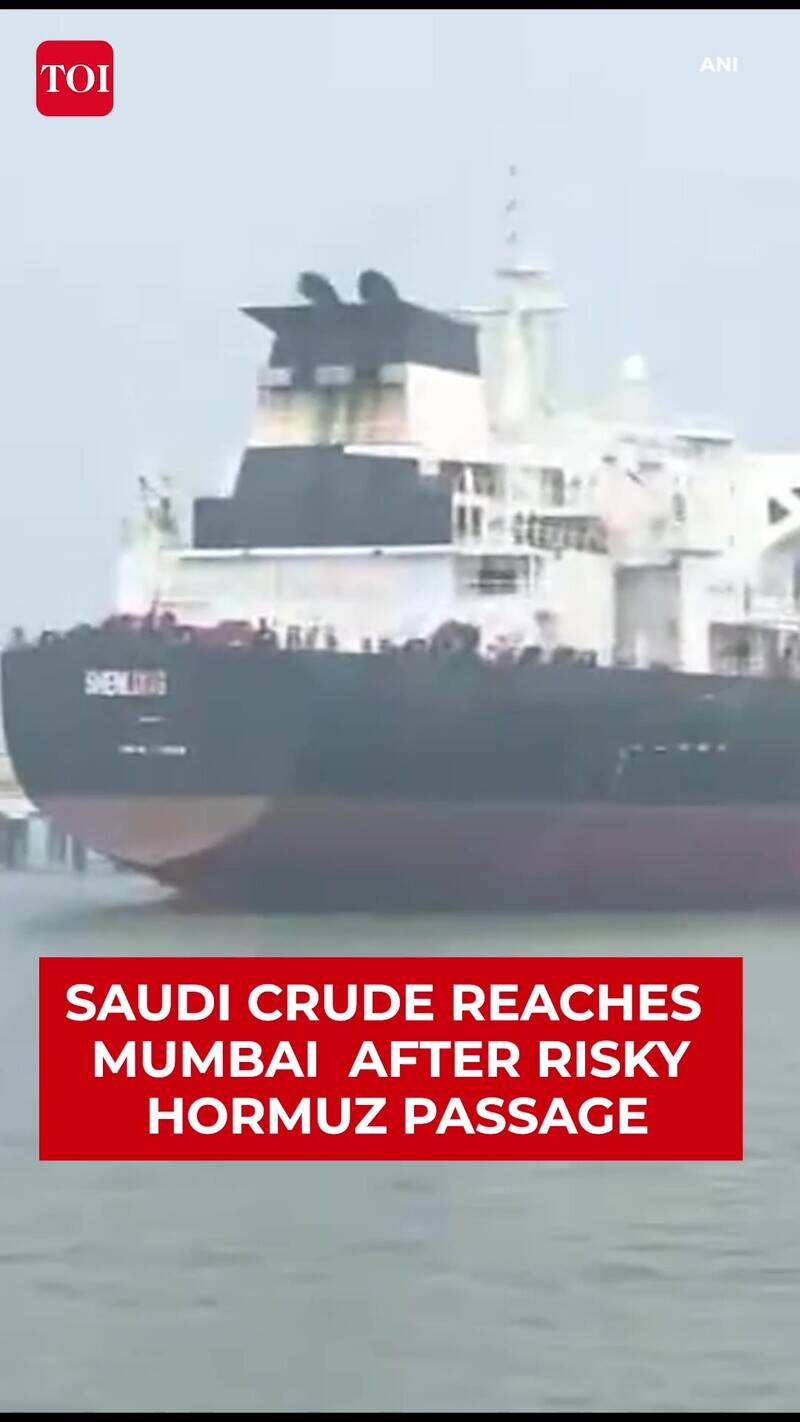
The India-bound oil tanker 'Nissos Keros' has successfully navigated the Strait of Hormuz, a daily passage that has become a flashpoint for geopolitical tensions. The clearance, reported by Iran's official news agency IRNA, was presented as one of 23 commercial vessels permitted through the strategic waterway in the past 24 hours, with the Islamic Revolutionary Guards (IRGC) Navy asserting all transits followed "formal coordination" with its authorities. This assertion underscores Tehran's consistent efforts to project control over the world's most critical crude oil chokepoint. This incident unfolds amidst escalating global navigation tensions, intensified by persistent Houthi attacks in the Red Sea, which are rerouting significant maritime traffic and raising the stakes for alternative routes and chokepoint. While geographically distinct, the Red Sea crisis amplifies anxieties around the Persian Gulf, where the US Fifth Fleet maintains a robust presence to deter Iranian aggression and ensure freedom of navigation. Iran's insistence on "coordination" is a diplomatic maneuver that allows it to claim sovereignty while global powers push for unfettered passage, creating a delicate balance of deterrence and asserted influence. Looking ahead, international shipping companies and energy markets will closely monitor Iran's future enforcement of its "coordination" demands, particularly as global crude oil demand fluctuates. The ongoing standoff suggests that passage through the Strait of Hormuz will remain a highly politicized act, demanding constant vigilance from naval powers and potentially impacting insurance premiums for India-bound oil tanker. The dance between asserted control and freedom of navigation continues, with any misstep carrying significant economic and security repercussions.