655 million people worldwide still live without electricity: UN report
Context mode is active. Hover over any highlighted term to see its definition. Click a nested term to go deeper.
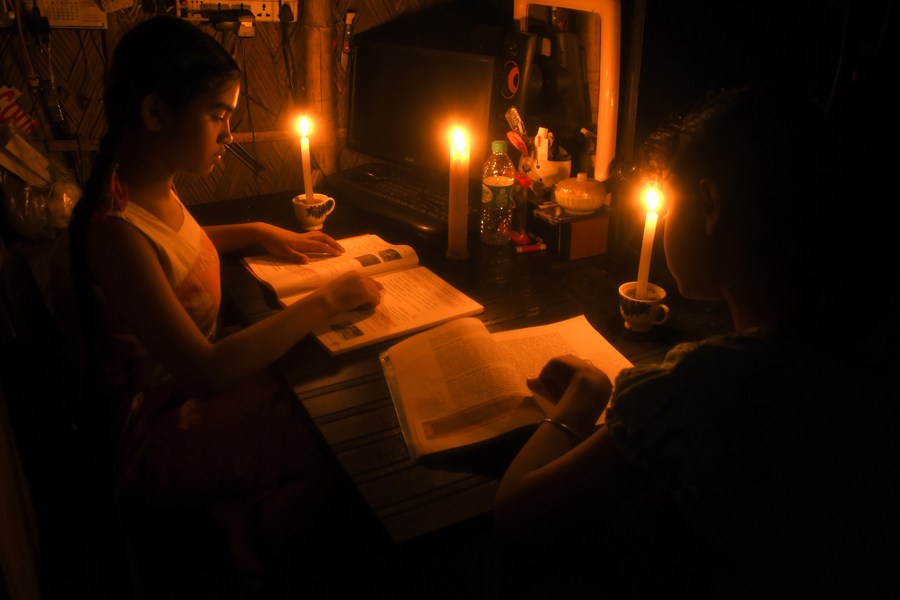
A stark new United Nations report, 'Tracking SDG 7: The Energy Progress Report 2026,' reveals a grim reality: 655 million people worldwide still live without electricity, and a staggering 2 billion rely on polluting fuels for cooking, jeopardizing their health and the environment. Released just yesterday by a consortium of global agencies, the report underscores how the world is significantly off track to meet its universal energy access goals by 2030, with Sub-Saharan Africa bearing the brunt of this growing disparity. This critical assessment highlights that while renewable energy is expanding rapidly, accounting for over 30% of global electricity consumption, progress in electrification has stagnated, particularly in Sub-Saharan Africa where the pace must triple to achieve Sustainable Development Goal 7. The region alone accounts for a shocking 86% of the global electricity access deficit, and its rural areas have actually seen the deficit worsen over the past decade. Moreover, persistent reliance on harmful cooking fuels contributes to millions of premature deaths annually, disproportionately affecting women and children. The report, championed by UN Under-Secretary-General Li Junhua, warns that the ongoing global energy crisis further complicates efforts, making international cooperation and substantial investment more critical than ever. It calls for immediate and scaled-up action, emphasizing stronger political leadership, improved cross-sector coordination, and a strategic focus on Least Developed Countries and vulnerable communities. Without these urgent interventions and a concerted drive to diversify energy mixes and expand renewables, the vision of affordable, reliable, sustainable, and modern energy for all by 2030 remains a distant dream.