Karnataka HC Blocks GST on Building Plan Fees, Bolstering 'No Service, No Tax' Principle
Context mode is active. Hover over any highlighted term to see its definition. Click a nested term to go deeper.
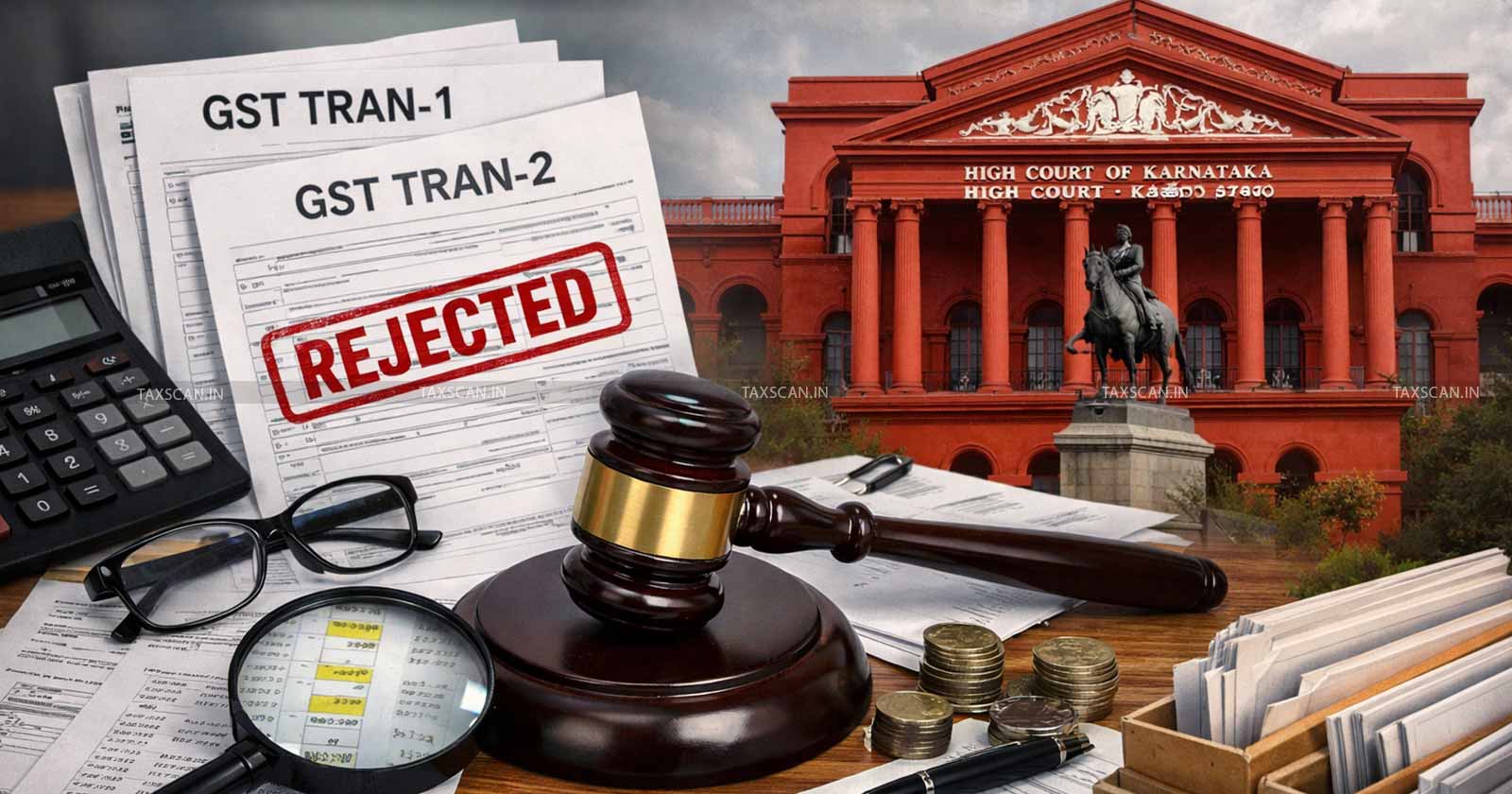
In a significant relief for India's real estate sector, the Karnataka High Court ruled on July 21, 2026, that Goods and Services Tax (GST) cannot be levied on fees collected by authorities for approving building plans. Justice R. Nataraj, hearing a petition by Sai Sravanthi Infra Projects Pvt. Ltd., firmly stated that such approvals do not involve any 'supply of goods or services' as defined under GST law, thus making them exempt from the tax. This verdict overturns a substantial demand of Rs. 4.43 crore that included Central GST (CGST) and State GST (SGST) from the developer. This ruling aligns with a growing trend across Indian judiciary, reinforcing the principle that government functions, when not commercial in nature, should not attract GST. The Karnataka High Court decision echoes earlier pronouncements by various High Courts and even the Supreme Court, which in July 2025, dismissed an appeal regarding GST on fees collected by Electricity Regulatory Commissions. These judgments consistently argue that statutory levies for regulatory approvals do not qualify as 'business', 'supply', or 'consideration' under Section 7 of the CGST Act, thereby falling outside the GST ambit. The immediate impact will be felt by real estate developers, potentially reducing project costs and easing regulatory burdens. However, this also signals a need for clearer guidelines from the GST Council regarding the taxability of various government-imposed fees, as municipal bodies like the Bangalore Development Authority might face revenue implications. The broader judicial consensus suggests that government entities must reassess their interpretation of 'supply' when levying GST on statutory functions, setting a crucial precedent for similar cases nationwide.