Asian Markets Jittery as Oil Surges on Hormuz Tensions, US Hits Polysilicon with New Tariffs
Context mode is active. Hover over any highlighted term to see its definition. Click a nested term to go deeper.
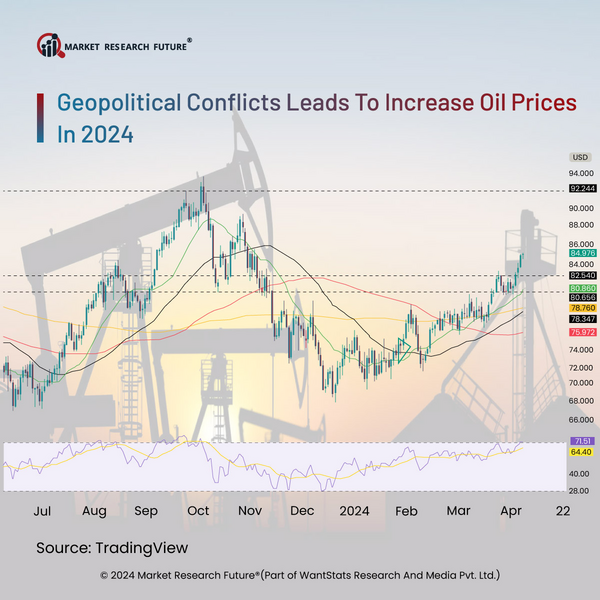
Asian stock markets traded mixed to lower today, with key indices like Japan's Nikkei, South Korea's Kospi, and India's Sensex experiencing declines as investors grappled with a potent mix of surging crude oil prices and fresh US tariffs on a critical tech material. The renewed volatility in energy markets, fueled by escalating tensions around the Strait of Hormuz, is making borrowing money more expensive and delaying hopes for global central bank rate cuts. Meanwhile, the United States' new 15% tariff on polysilicon imports adds another layer of uncertainty, directly impacting the supply chains for everything from solar panels to microchips. The surge in crude oil prices, pushing Brent crude towards $84 per barrel and US benchmark crude above $78, stems directly from the ongoing geopolitical friction involving Iran and its actions in the Strait of Hormuz. Iran has reportedly attacked 'hostile targets' and asserted that the vital waterway, through which a significant portion of the world's oil passes, will remain controlled until its conditions with the US are met, despite ongoing negotiations with Oman. This uncertainty over oil supply is stoking fears of global inflation, putting central banks in a tough spot regarding future interest rate decisions. Adding to the market's unease, President Donald Trump's new tariffs on polysilicon, effective December 4, 2026, are designed to boost US domestic manufacturing of this crucial material for semiconductors and solar products but are also seen as a strategic move against China, the world's largest producer. Looking ahead, market watchers will be closely eyeing any developments in the Strait of Hormuz, as continued disruptions could significantly worsen global inflation and further delay anticipated central bank interest rate cuts. The new US polysilicon tariffs are set to reshape global supply chains for technology components, leading to potential price increases for affected products and further trade friction. Investors will also be tracking upcoming economic data, especially US employment reports, to gauge the overall health of the global economy and central banks' next moves.