Philippines' Financial Powerhouse Hits Record P38.3 Trillion Amidst Global Headwinds
Context mode is active. Hover over any highlighted term to see its definition. Click a nested term to go deeper.
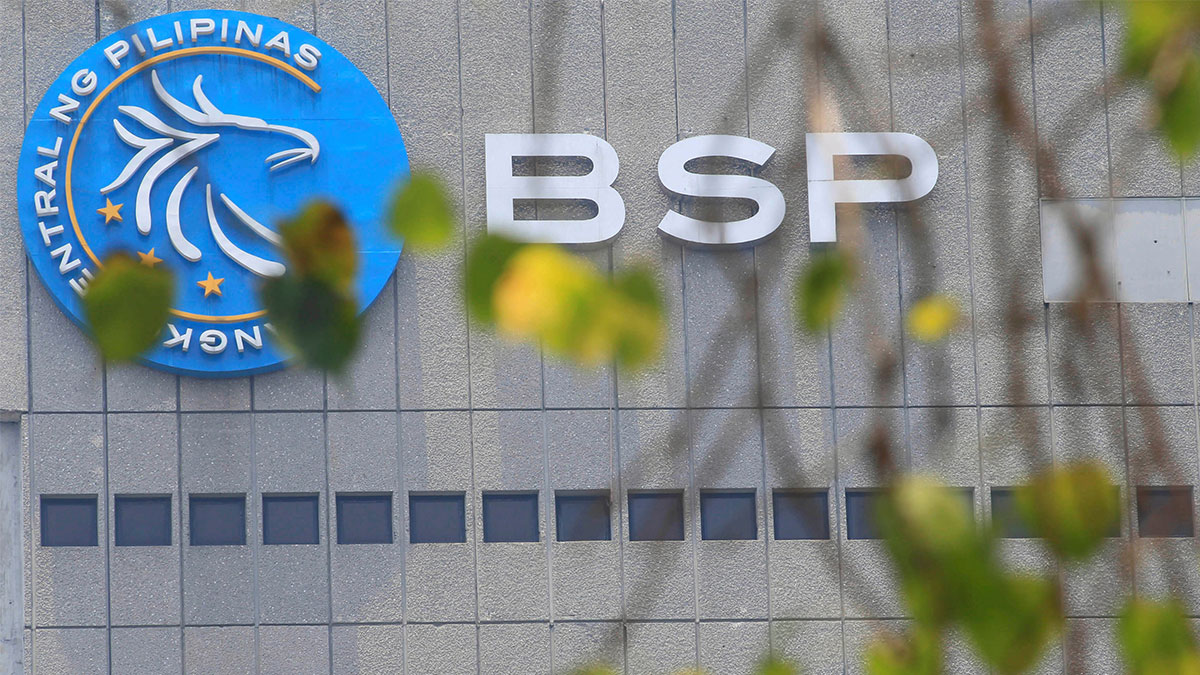
The Philippines' financial system has hit an all-time high, with its total funds and assets soaring past the P38-trillion mark to reach P38.3 trillion (approximately $650 billion USD) as of June 2026. This impressive growth, a nearly 9% jump year-on-year, signals strong resilience in the country's financial sector, driven mainly by banks expanding loans and attracting more deposits, even with the ongoing challenges from the Middle East conflict. This robust performance is largely fueled by the banking sector, which holds over 83% of these resources, totaling P31.96 trillion. Universal and commercial banks led the charge, while digital banks showed the fastest growth, surging by over 46% annually. A key factor boosting confidence and deposit accumulation has been the increase in deposit insurance coverage to P1 million per depositor, implemented in March 2025. However, this financial strength comes as major institutions like the World Bank and Goldman Sachs have forecast slower Gross Domestic Product (GDP) growth for the Philippines in 2026, citing higher inflation and global uncertainties. Looking ahead, the Bangko Sentral ng Pilipinas (BSP) is closely watching the economic landscape. While inflation remains above its 3% target, the BSP has hinted that weaker GDP growth might allow for a less aggressive approach to monetary policy tightening, though it remains ready to act to stabilize prices. This delicate balancing act between fostering growth and curbing inflation will be crucial for the Philippines to maintain its financial momentum in a volatile global economy.