Pentagon bars journalists from its press office, saying it has become a 'classified space'
Context mode is active. Hover over any highlighted term to see its definition. Click a nested term to go deeper.
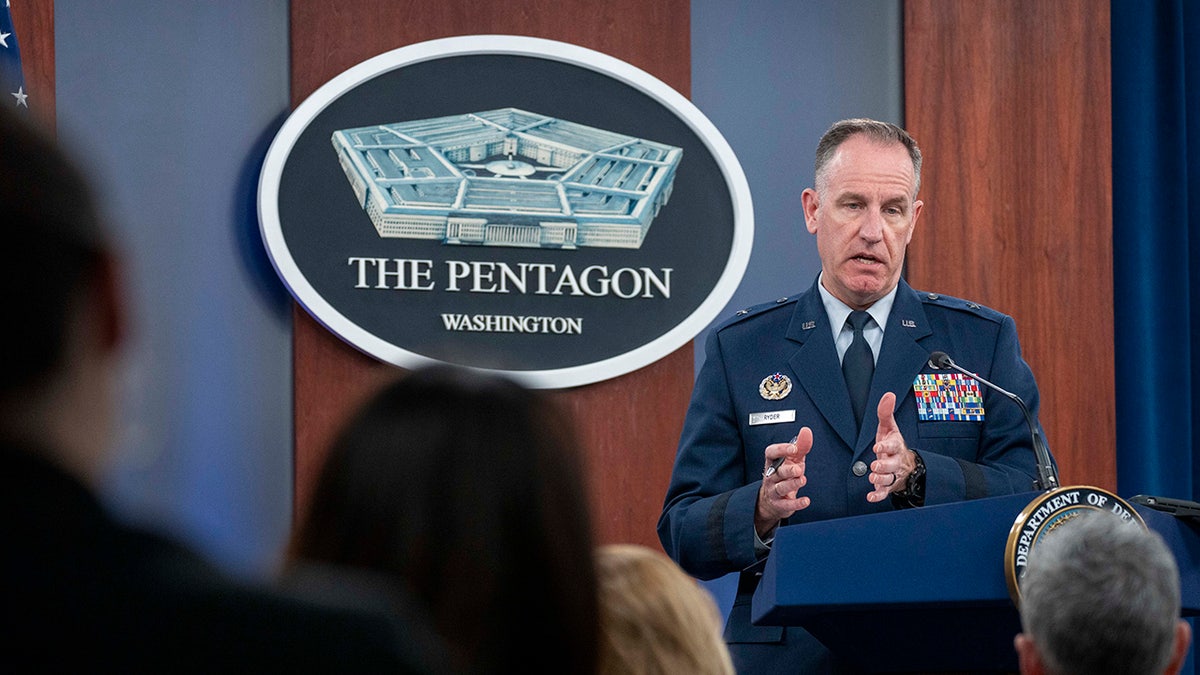
The Pentagon has abruptly declared its primary press briefing room and adjacent workspace a "Classified Information Facility," effectively ejecting journalists from their traditional access points. This unprecedented move, citing evolving national security threats, drastically curtails the media's ability to cover one of the world's most critical defense establishments, sparking immediate outcry and accusations of government opacity. The reclassification, enacted under the current Secretary of Defense directive, deepens a long-standing tension between military secrecy and constitutional guarantees of a free press. Journalist organizations like the Pentagon Press Association and the White House Correspondents' Association have swiftly condemned the action, arguing it erects an unnecessary barrier to public information and undermines oversight. This follows years of tightening controls on information flow, amplified by recent geopolitical instability and a heightened focus on countering disinformation. Legal challenges are anticipated, potentially invoking the First Amendment and administrative law, with advocates questioning the Pentagon authority and procedural transparency in making such a sweeping change. For now, reporters are relegated to a remote media center, significantly limiting spontaneous interactions and the critical, informal "press gaggle" crucial for real-time reporting. This incident sets a perilous precedent, signaling a new front in the global battle over government accountability and media access.