Scientists Create Giant Fire Tornadoes To Clean Up Oil Spills
Context mode is active. Hover over any highlighted term to see its definition. Click a nested term to go deeper.
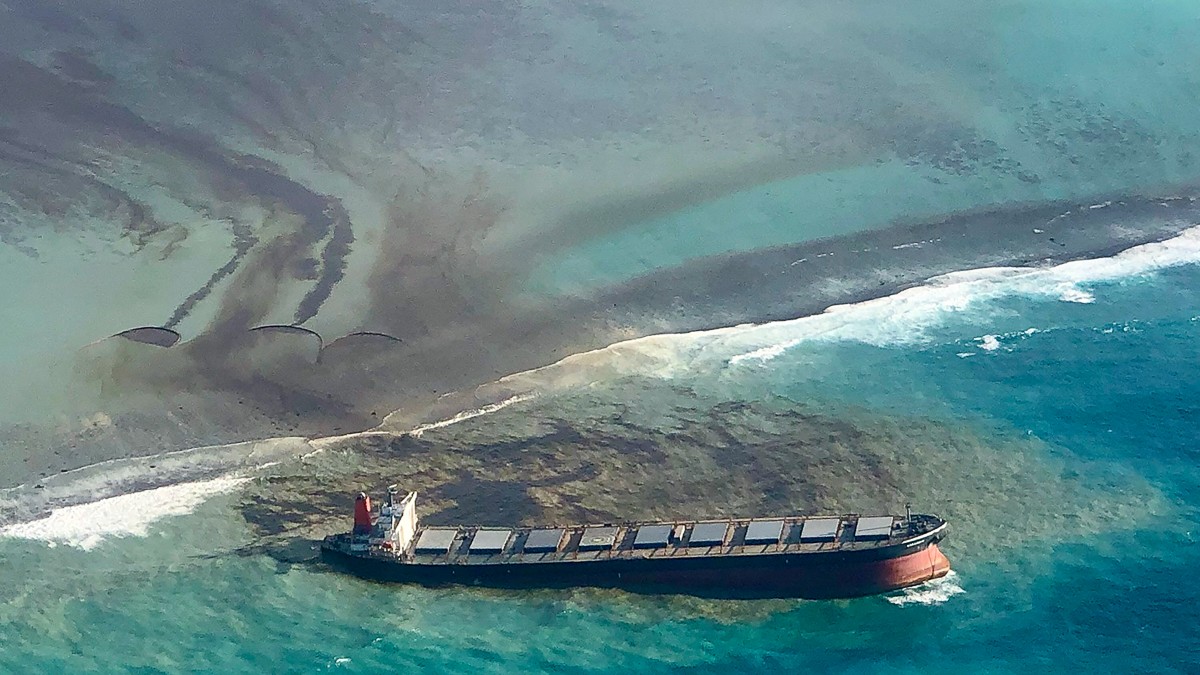
Scientists have successfully engineered a controlled, 17-foot 'fire tornado' that promises a revolutionary leap in cleaning up catastrophic offshore oil spills. This breakthrough, led by researchers at Texas A&M University and the University of California, Berkeley, demonstrates that these spinning columns of flame can burn crude oil nearly twice as fast, consume up to 95% of the fuel, and dramatically cut harmful soot emissions by 40% compared to traditional methods. This re-purposing of a destructive natural phenomenon offers an unprecedented cleaner and faster remediation strategy for marine environments. The urgency for advanced oil spill remediation has never been clearer, especially given the enduring ecological scars left by disasters like the 2010 Deepwater Horizon spill, which devastated marine habitats and coastal wetlands for over a decade. Current in-situ burning methods, while effective at containing oil, generate thick, toxic smoke and leave behind unburned residues, posing significant environmental and health trade-offs. The efficacy of these engineered fire whirls lies in their unique fluid mechanics: the vortex acts as a 'natural turbocharger,' continuously drawing in oxygen to create a hotter, more complete combustion process that effectively incinerates pollutants. This cutting-edge research, backed by the Bureau of Safety and Environmental Enforcement (BSEE), directly addresses the limitations of existing technologies. While currently proven in large-scale experiments at the Texas A&M Engineering Extension Service (TEEX) Brayton Fire Training Field, the vision is to develop portable systems that could be rapidly deployed over ignited oil slicks, transforming chaotic fires into precision cleanup tools. Researchers caution that scaling up requires overcoming challenges like maintaining stability in varying wind conditions and optimizing for slick thickness. Nevertheless, this initial success opens a critical pathway towards a future where one of nature's most destructive forces becomes a formidable ally in protecting oceans and mitigating environmental catastrophes.