Coimbatore Forests on High Alert as Three Cages Set for Stray Leopard
Context mode is active. Hover over any highlighted term to see its definition. Click a nested term to go deeper.
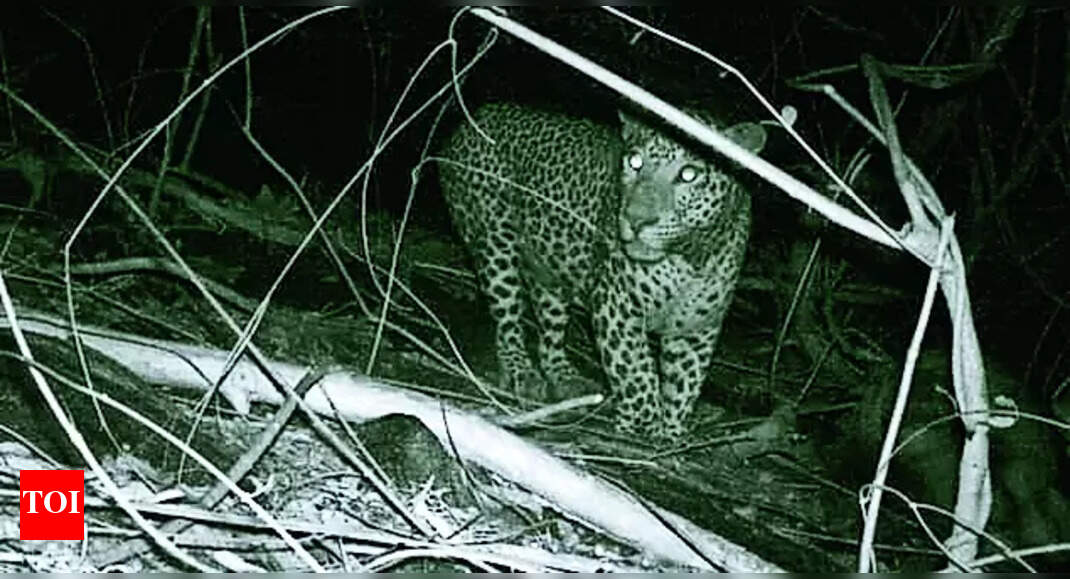
Forest officials in Sirumugai, Coimbatore, have rapidly deployed three cage traps and multiple camera traps in key areas following recent sightings of a leopard that attacked a dog near farmlands. The quick action by the Forest Department, initiated on Thursday, August 20, 2026, aims to safely capture the big cat and ease growing concerns among residents in the Thenkal Karadu and Othimalai reserve areas. This immediate response comes after increased leopard movement was noted around agricultural lands bordering the Pethikkuttai section of the forest range, highlighting the ongoing tension between human settlements and wildlife. The incident underscores a persistent challenge of human-wildlife conflict in the region, a recurring theme in Coimbatore where leopard frequently venture out of their natural habitat into populated areas, often preying on livestock and domestic animals. Just recently, in August 2025, the Tamil Nadu Forest Department intensified surveillance in another Coimbatore range after a leopard attack killed a cow, and past years have seen multiple captures and releases of leopard into deeper forest areas like the Sathyamangalam Tiger Reserve. Experts suggest these incidents are often linked to habitat fragmentation and pressures on forest ecosystems, pushing animals closer to human dwellings in search of food and water. With round-the-clock patrolling now in effect and residents being educated on safety protocols, the focus is on a swift and safe resolution to the current situation. Forest officials are maintaining continuous monitoring using high-resolution camera traps, hoping to guide the leopard into one of the trap cages. The successful capture of this leopard would mark another temporary relief in an ongoing battle to manage coexistence, as conservationists continue to advocate for long-term strategies addressing the root causes of these frequent encounters.