Five Years On: Afghan Women Erased from Public Life as Rights Crumble
Context mode is active. Hover over any highlighted term to see its definition. Click a nested term to go deeper.
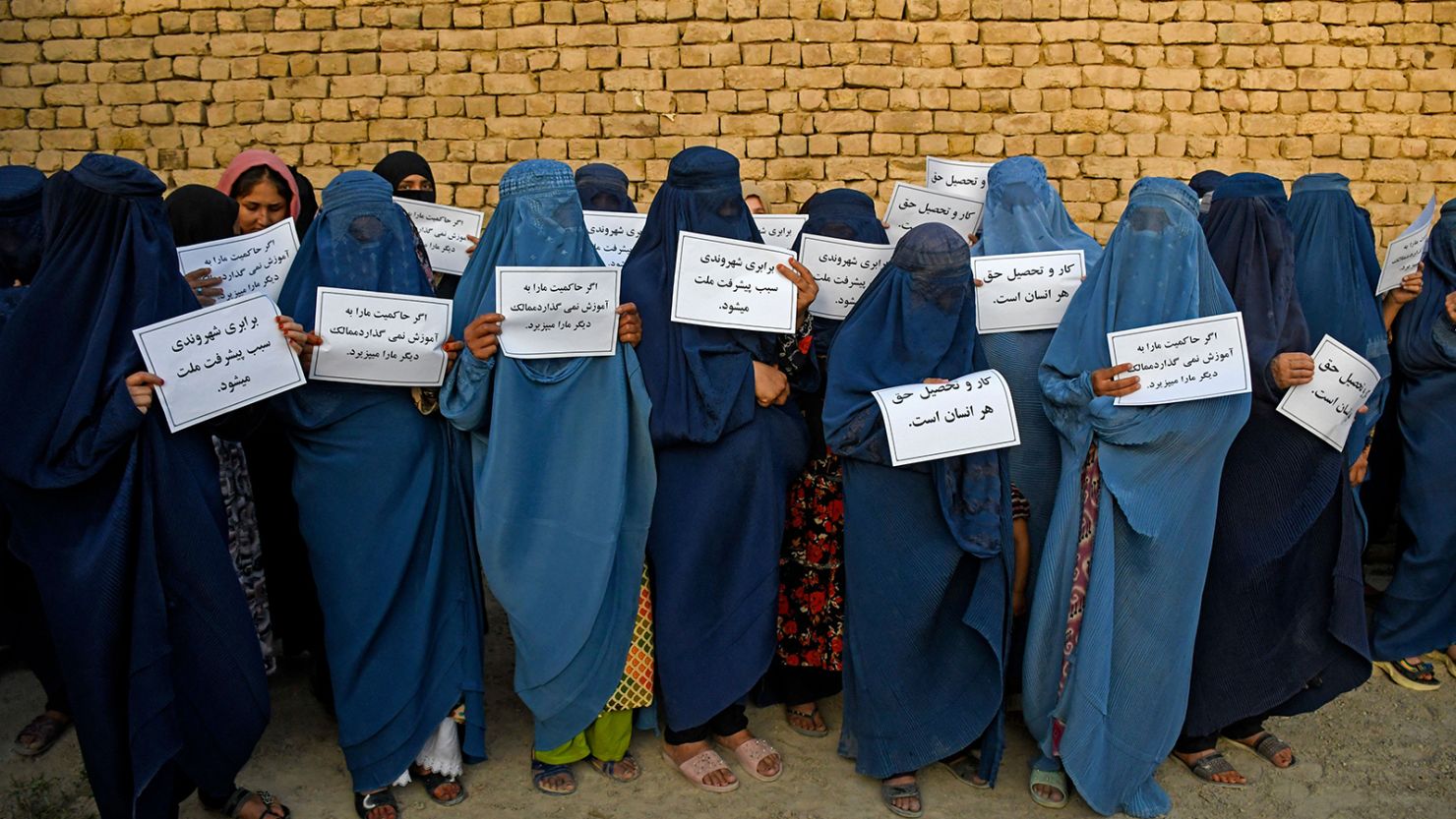
Five years after the Taliban seized control of Afghanistan, women and girls have been systematically 'erased' from public life, facing an unprecedented dismantling of their fundamental rights. Over the past half-decade, the de facto authorities have issued more than 100 decrees, severely restricting their access to education, work, public spaces, and even justice, effectively institutionalizing a system that many now describe as gender apartheid. This brutal crackdown has pushed nearly 20 million Afghan women and girls into a crisis unlike anywhere else in the modern world. The sweeping restrictions include a global anomaly: Afghanistan remains the only country where girls are formally banned from secondary and tertiary education, reversing two decades of progress. Women have also been excluded from most professions, including civil service, NGOs, and UN roles, further deepening a dire humanitarian crisis where over 21 million people, nearly half the population, require aid. This systemic oppression is exacerbated by significant funding cuts to women-led organizations and humanitarian programs, leaving millions vulnerable to food insecurity and inadequate healthcare. Looking ahead, the international community faces growing calls to acknowledge these abuses as gender apartheid and push for accountability, rather than normalizing relations with the Taliban. Despite the immense pressure, Afghan women continue their brave, often underground, fight for freedom and basic human dignity. The world must decide if it will amplify their voices or allow this profound human rights catastrophe to fade from global attention.