Hormuz Strait Deal Nears: Iran and Oman Agree Framework, US Expects Breakthrough
Context mode is active. Hover over any highlighted term to see its definition. Click a nested term to go deeper.
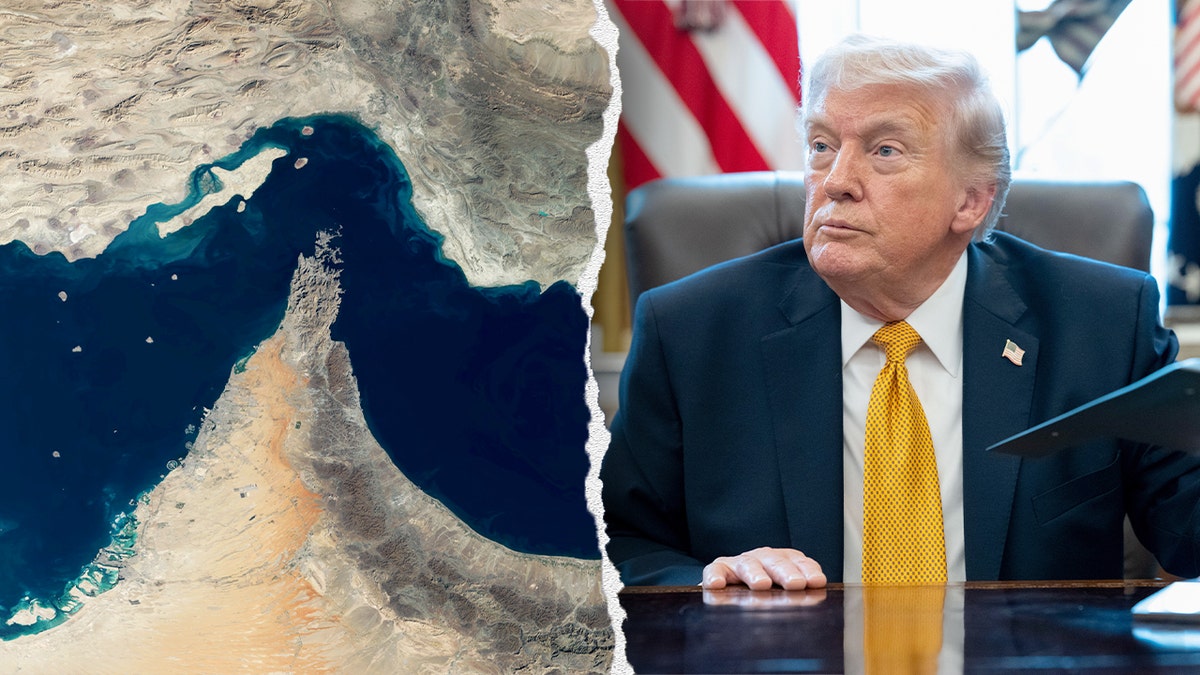
A crucial breakthrough appears imminent in the months-long standoff over the Strait of Hormuz. Iran and Oman have finalized a 'general framework' for a new protocol to manage shipping through the vital waterway, with the United States expressing optimism that a comprehensive deal is close. This development could soon reopen the Strait, which has been largely blocked since February 28, 2026, when the US and Israel launched attacks on Iran, significantly disrupting global oil and gas flows. The proposed framework, mediated by Oman, aims to formalize how ships navigate the Strait of Hormuz, a key oil chokepoint through which a large portion of the world's energy supplies pass. Under the emerging plan, Iran would oversee vessels entering the Arabian Gulf, while Oman would manage those exiting. A primary sticking point remains Iran insistence on collecting 'service fees' — reportedly 5-7% of cargo value — which the US has firmly rejected, advocating for fee-free passage as outlined in a US-Iran Memorandum of Understanding signed on June 17. The ongoing disruption has severely impacted global energy markets, leading to higher oil prices and inflationary pressures worldwide. As the 'final text and details' of the Iran-Oman framework await higher-level approval in Tehran, all eyes are on Washington to see if a compromise can be reached on the contentious fee issue. The US has indicated it will lift its blockade of Iranian ports once a deal ensuring 'commercial shipping without impediments' is announced. This potential agreement could mark a significant step towards de-escalation in the wider 2026 Iran War and stabilize global energy supplies, though challenges remain given Iran parliamentary draft bill seeking to ban US and Israeli vessels.