Tokyo Alarmed as Trump-Xi Summit Recalls WWII Alliance Against Japan
Context mode is active. Hover over any highlighted term to see its definition. Click a nested term to go deeper.
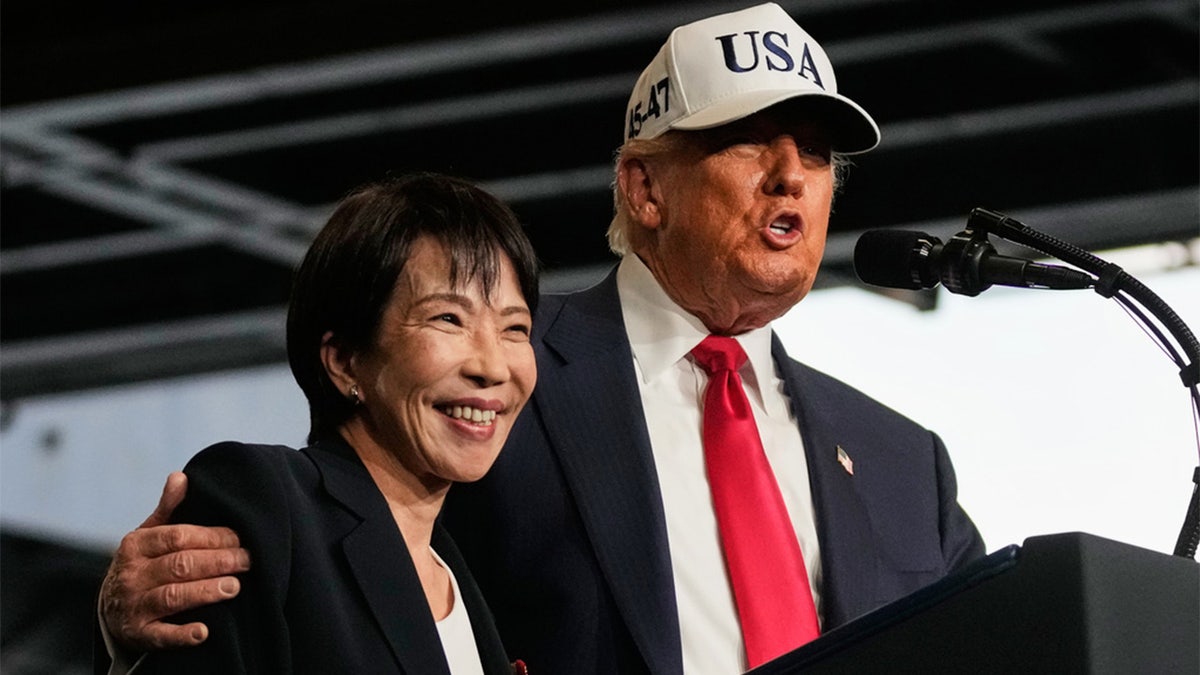
Japan is reeling after U.S. President Donald Trump and Chinese President Xi Jinping repeatedly highlighted their nations' World War II alliance against Japan during their September 24 summit in Washington. The unusual historical emphasis has deeply unsettled Tokyo, sparking concerns that Beijing is using the high-profile meeting to strengthen its critical narrative against Japan amidst already tense regional relations. Japanese Prime Minister Sanae Takaichi is now urgently seeking a direct phone call with President Trump to clear the air and reinforce the crucial US-Japan alliance. The move comes as Sino-Japanese relations are already frosty, largely due to PM Takaichi's remarks last year about potential Japanese military intervention in a Taiwan crisis. Beijing responded by launching a strong propaganda campaign, accusing Japan of 'neo-militarism' and imposing economic measures like rare earth export restrictions. While Takaichi had a meeting with Trump just before the summit during the United Nations General Assembly, where both leaders affirmed the unbreakable nature of their alliance, Tokyo fears any perceived US concessions on Taiwan issues during the Trump-Xi talks could directly affect Japan national security. Observers are closely watching for the outcome of Takaichi's desired post-summit call with Trump, which she has done before to gain insights from US-China talks. The diplomatic scramble underscores Japan deep-seated anxiety about being sidelined in the complex US-China geopolitical dance, especially given Trump's transactional approach to alliances. How Washington navigates its relationships with both Tokyo and Beijing in the coming weeks will be critical for regional stability and the future of the Indo-Pacific strategy.